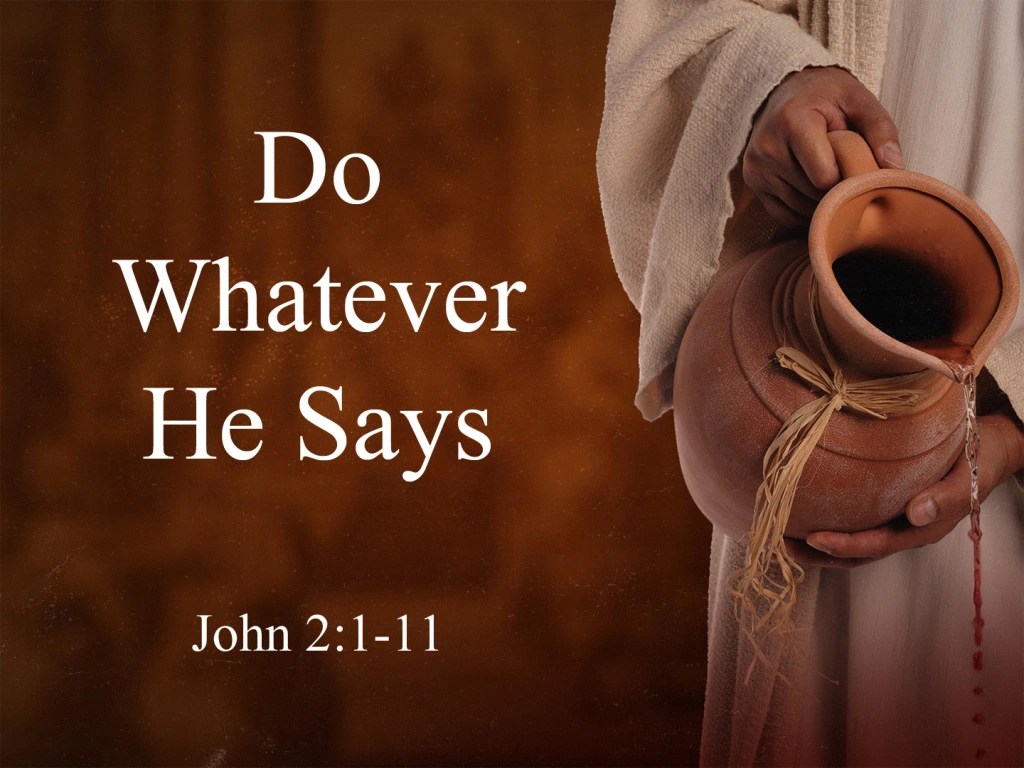
In John 2:5, Mary, the mother of Jesus, instructs the servants at the wedding in Cana with a simple yet profound command: “Whatever He tells you, do it” (NASB). Though her words were given in a specific context, they serve as timeless guidance for all believers. If humanity were to heed this divine wisdom, it would result in transformed lives, happiness on earth, and eternal joy in the life to come.
This article explores what it means to follow the teachings of Jesus, focusing on the actions and attitudes He commands in Scripture. By doing “whatsoever Jesus says,” we align ourselves with God’s will and demonstrate our faith through obedience.
Tell People What Jesus Says About Salvation
Jesus’ teaching on salvation is clear: “You must be born again” (John 3:7, NASB). When Nicodemus came to Jesus by night, seeking answers, Jesus explained, “Truly, truly, I say to you, unless someone is born of water and the Spirit, he cannot enter the kingdom of God” (John 3:5, NASB). Salvation begins with a spiritual rebirth—a transformation brought about by God’s word and obedience to the gospel.
Peter writes, “For you have been born again, not of seed which is perishable, but imperishable, that is, through the living and enduring word of God” (1 Peter 1:23, NASB). This new birth culminates in baptism, as Jesus commands in Mark 16:16: “The one who has believed and has been baptized will be saved; but the one who has not believed will be condemned” (NASB). Baptism is not merely symbolic but a burial with Christ into death, as Paul explains: “We have been buried with Him through baptism into death” (Romans 6:4, NASB).
Faithful preachers and teachers must proclaim this message clearly, helping others understand that salvation comes through belief, repentance, baptism, and faithful living.
Worship in Spirit and Truth
Jesus emphasizes the importance of worshiping God correctly: “God is spirit, and those who worship Him must worship in spirit and truth” (John 4:24, NASB). Worship is more than an outward act; it requires a sincere heart and adherence to God’s instructions. Jesus warns against vain worship, saying, “But in vain do they worship Me, teaching as doctrines the commandments of men” (Matthew 15:9, NASB).
True worship is guided by God’s word, not human traditions or innovations. It involves every aspect of our faith, as Hebrews 11:6 declares, “Without faith it is impossible to please Him, for the one who comes to God must believe that He exists, and that He proves to be one who rewards those who seek Him” (NASB). Worship in spirit engages our whole being, lifting our hearts and minds in reverence to God.
Let Your Light Shine
Jesus calls His followers to live as lights in the world: “Your light must shine before people in such a way that they may see your good works, and glorify your Father who is in heaven” (Matthew 5:16, NASB). This means living in such a way that others are drawn to God through our example. Just as light attracts, our lives should reflect the love and truth of Christ, drawing lost souls to the hope found in Him.
Living as a light involves consistency, humility, and kindness. Our actions should point others to the gospel, showcasing the transformative power of Christ.
Avoid Hypocrisy and Seek True Humility
Jesus warns against doing things merely to be seen by others: “Beware of practicing your righteousness before men to be noticed by them; otherwise, you have no reward with your Father who is in heaven” (Matthew 6:1, NASB). Our acts of service, prayer, and worship should flow from genuine love for God, not a desire for recognition.
He also instructs us to examine our own hearts before criticizing others: “Why do you look at the speck that is in your brother’s eye, but do not notice the log that is in your own eye?” (Matthew 7:3, NASB). True humility requires self-reflection and a willingness to correct our own faults before addressing the shortcomings of others.
Do Not Store Up Earthly Treasures
Jesus reminds us of the fleeting nature of material wealth: “Do not store up for yourselves treasures on earth, where moth and rust destroy, and where thieves break in and steal. But store up for yourselves treasures in heaven” (Matthew 6:19-20, NASB). Our priorities should reflect eternal values, focusing on God’s kingdom rather than worldly possessions. As Jesus says, “For where your treasure is, there your heart will be also” (Matthew 6:21, NASB).
Pursuing wealth or status at the expense of spiritual growth leads to misplaced priorities. By placing our trust in God, we store up treasures that cannot be lost.
Serve One Master: God
Jesus declares, “No one can serve two masters; for either he will hate the one and love the other, or he will be devoted to one and despise the other. You cannot serve God and wealth” (Matthew 6:24, NASB). Serving God requires a total commitment, leaving no room for divided loyalties.
As believers, we must live in the world without becoming consumed by it. This means prioritizing God’s will above all else, even when it requires sacrifice.
Seek First the Kingdom of God
Jesus instructs His followers to put God’s kingdom above everything else: “But seek first His kingdom and His righteousness, and all these things will be provided to you” (Matthew 6:33, NASB). This means prioritizing spiritual matters over worldly concerns. Our jobs, hobbies, and personal pursuits should never take precedence over our relationship with God.
This does not mean neglecting responsibilities or loved ones, but it does mean keeping our focus on what truly matters—serving God and advancing His kingdom.
Treat Others as You Want to Be Treated
The “Golden Rule” encapsulates the heart of Jesus’ teachings: “In everything, therefore, treat people the same way you want them to treat you, for this is the Law and the Prophets” (Matthew 7:12, NASB). Kindness, courtesy, and respect should characterize our interactions with others. As ambassadors of Christ, we are called to share His love with everyone, pointing them to the hope and salvation found in Him.
Conclusion: Faithful to the End
In Revelation 2:10, Jesus promises, “Be faithful until death, and I will give you the crown of life” (NASB). Doing “whatsoever Jesus says” requires daily obedience, humility, and a commitment to living out His commands. By following His teachings, we not only honor God but also experience the fullness of life He offers.
Let us strive to heed Mary’s timeless advice: “Whatever He tells you, do it” (John 2:5, NASB). In doing so, we will reflect Christ’s love, bring glory to God, and secure our place in His eternal kingdom.
 The Simple Gospel