
The Simple Gospel

Timeless Truths, Simply Told


  • Tertius: A Quiet Servant in the Kingdom of God

    In the final chapter of Paul’s letter to the Romans, we come across a name that might easily be overlooked—Tertius. Romans 16:22 briefly mentions, “I, Tertius, who write this letter, greet you in the Lord.” Tertius was the scribe for Paul, transcribing the inspired words that we now know as the Epistle to the Romans. Here, in this single line, Tertius steps into view for a moment, then fades back into obscurity. His appearance is like a fleeting star, briefly illuminating the pages of Scripture before he returns to the background.

    What do we know about him? Judging by his name, Tertius was likely a Roman, perhaps unfamiliar to the believers in Rome. He appears only here in the New Testament, yet this brief mention invites us to reflect on the quiet role he played in the larger mission of God.

    Love for Fellow Believers

    Tertius may have been a quiet figure, but his greeting in the Lord reflects a deep love for the Christian family he served. Despite his background or the lowly nature of his work, he was part of a larger community of believers, bound together by faith in Christ. This kind of affection among believers is encouraged throughout the New Testament. As Jesus taught, “A new commandment I give to you, that you love one another, even as I have loved you, that you also love one another” (John 13:34 NASB).

    Paul echoes this sentiment in Hebrews 13:1, “Let the love of the brethren continue.” This love isn’t constrained by proximity or familiarity; it is a love that reaches across borders and backgrounds, bringing together all who belong to Christ. Tertius reminds us that Christian love is humble, sincere, and powerful in its quiet constancy. In him, we see a man whose love for the brethren transcended cultural and geographic boundaries.

    The Dignity of Subordinate Work

    Though his role was supportive, Tertius’s work as Paul’s scribe was essential. He handled God’s Word with care and humility, providing a crucial service that allowed Paul’s inspired teachings to reach the believers in Rome. Often, we might feel that certain roles in the church are “less important,” but God places equal value on each part of His body, as Paul explains in 1 Corinthians 12:12-26. Every role matters, and even the “weaker” parts are indispensable.

    Tertius’s example reminds us of the power found in “small” tasks when they are done for God. Like the machinery that powers a great vessel, each cog has a purpose in achieving the mission. Whether we are preaching to hundreds or quietly supporting behind the scenes, all work done for the Lord has inherent dignity and purpose.

    A Quiet Touch of Pride in His Work

    Although Tertius’s work may seem humble, his dedication to it suggests a quiet pride in doing his task well. In his line of service, he exemplified the principle found in Colossians 3:23, “Whatever you do, do your work heartily, as for the Lord rather than for men.” Tertius likely took great care in writing each word, understanding the weight of the message he was transcribing.

    The excellence of his work reminds us that we honor God when we do our best, regardless of the task’s visibility. Even if our contributions seem small, the Lord sees and values our faithfulness.

    The Best Thing by Which to Be Remembered

    Tertius serves as an example of the kind of life worth emulating—one that seeks to glorify God in humble service. In his brief appearance in Scripture, he chose not to bring attention to himself but to direct it toward the message he was entrusted with. His life prompts us to reflect: What will we be remembered for? Will we seek acknowledgment, or will we, like Tertius, be content to fade into the background, knowing that we have faithfully served the Lord?

    The best way to be remembered is through quiet faithfulness to God’s calling. Tertius didn’t seek fame or acclaim. Instead, he was simply content to be remembered as one who served.
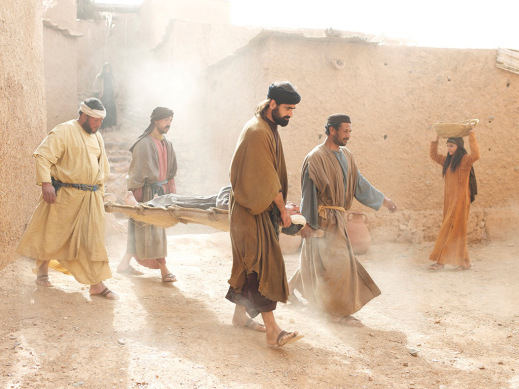


  • What the Lord Saw in Four Men

    The story of the paralyzed man brought to Jesus by four friends in Mark 2:1-12 offers a powerful lesson in faith, unity, and the determination to overcome obstacles. In this passage, Jesus was teaching in a home so crowded that no one could enter. But these four men, driven by faith and love, made a way for their friend to reach Jesus, even breaking through the roof to lower him into the room. Jesus “seeing their faith” responded, healing the man’s soul and body. In these actions, Jesus recognized qualities that He desires to see in each of us. Let’s explore what the Lord saw in these four men.

    1. The Lord Saw Four Men Who Cared

    These men displayed a deep care for their paralyzed friend. Their love and compassion moved them to take extraordinary measures to bring him to Jesus. This echoes the teaching in 1 John 3:17, which challenges us: “But whoever has worldly goods and sees his brother in need and closes his heart against him, how does the love of God abide in him?” Love for God and others compels us to care, not just in words, but through action.

    Jesus Himself embodies this compassionate love. In 1 John 4:20-21, we read that if we love God, we must also love others. These four men exemplified this principle by setting aside their own needs and focusing on bringing their friend to Jesus. Today, we are called to follow their example, seeing and meeting the physical and spiritual needs of those around us.

    2. The Lord Saw Four Men Who Tried

    The crowd blocking the door could have discouraged them, but these men did not give up. Rather than sitting back, they took action and found a creative solution. Their perseverance reflects a spirit of faith and determination, much like the lepers in 2 Kings 7:3-9, who chose to seek a way forward rather than resign themselves to death.

    In Romans 8:31, Paul writes, “If God is for us, who is against us?” These men acted in the strength that comes from faith, a faith that declares, “I can do all things through Him who strengthens me” (Philippians 4:13). We, too, can persevere, trusting that God’s strength will help us overcome any barriers to doing His will.

    3. The Lord Saw Four Men Who Worked Together

    The unity of these four men is striking. They collaborated to ensure their friend would meet Jesus, with each likely taking on a part of the task. As Amos 3:3 says, “Can two walk together, except they be agreed?” Unity is essential for accomplishing the work of God, and these men demonstrated this by putting their mission ahead of any personal preferences or conflicts.

    Psalm 133:1 beautifully captures this spirit: “Behold, how good and how pleasant it is for brothers to dwell together in unity!” The church is described as the body of Christ, where each member has a unique role (1 Corinthians 12:25-26). Working together as a community of believers strengthens our ability to serve and reach those in need, just as these men united to bring their friend to Jesus.

    4. The Lord Saw Four Men Who Wanted to Share Christ

    Though these men were healthy, they knew that their friend needed Jesus. Their actions reflect the Great Commission, as they brought someone to Christ who could not come on his own. Acts 4:20 reflects the boldness of those who have encountered Jesus: “for we cannot stop speaking about what we have seen and heard.”

    When Andrew met Jesus, the first thing he did was find his brother Peter and bring him to Jesus (John 1:41-42). In the same way, these four men took on the mission to lead their friend to Christ. This should be our desire as well. We are called to make Christ known to those around us, recognizing that we have been entrusted with the message of salvation.

    Conclusion: Emulating the Four Men

    Jesus recognized the faith, determination, unity, and evangelistic spirit of these four men, rewarding their efforts by healing their friend. Their example reminds us of what God desires from each of us: to care deeply, to persevere in faith, to work together in unity, and to bring others to Christ.

    As we reflect on their actions, let us ask ourselves: Are we willing to go to such lengths for those in need? Will we overcome obstacles to share the love of Christ? When we embody these qualities, we, too, will find ourselves instruments of God’s grace in the lives of others. And like the paralyzed man, many more will go on their way rejoicing because of our faithful witness.


  • He Went on His Way Rejoicing

    In Acts 8, we find the powerful story of the Ethiopian eunuch who encountered the gospel message through Philip. After hearing about Jesus, he responded in obedience, and verse 39 captures his reaction as he “went on his way rejoicing.” This response of joy wasn’t just a fleeting emotion; it was rooted in the profound transformations and promises he had received through his new faith. Let’s explore what led to his joy and why obedience and commitment to God’s will bring true rejoicing.

    Observing His Joyful Response

    The eunuch didn’t rejoice until he had fully obeyed the will of God, which included baptism. Baptism was not an optional act for him; rather, it was essential in his journey of obedience. Some may argue that baptism is non-essential, but in the Bible, rejoicing is often associated with complete obedience, which includes baptism. Jesus Himself commanded it in Mark 16:16, saying, “He who has believed and has been baptized shall be saved; but he who has disbelieved shall be condemned.” True rejoicing in the Lord flows from a clean conscience and a heart fully committed to His will (1 Peter 3:21).

    Reasons for His Rejoicing

    Why did the Ethiopian eunuch go on his way rejoicing? Here are several reasons:

    1. His Sins Were ForgivenThe forgiveness of sins brings a deep sense of peace and joy. The eunuch’s sins had been washed away, giving him a clean conscience before God. Acts 2:38 records Peter’s words on this, “Repent, and each of you be baptized in the name of Jesus Christ for the forgiveness of your sins; and you will receive the gift of the Holy Spirit.” There is incomparable joy in knowing that our sins are no longer counted against us.
    2. He Was Added to the ChurchThrough his baptism, the eunuch was added to the church—the community of believers. Acts 2:47 tells us, “And the Lord was adding to their number day by day those who were being saved.” This wasn’t a man-made institution he joined but the Lord’s church, established by Christ and bound by His teachings.
    3. He Became Part of the Family of GodBaptism brought the eunuch into God’s family, making him a “child of God.” Paul writes in 1 Timothy 3:15 about the church as “the household of God,” a family united by faith in Christ. Belonging to God’s family means receiving His care, love, and discipline as a child of the Almighty.
    4. He Was Added to the Body of ChristAs a member of the church, he was now part of the Body of Christ, with Jesus as the head. Colossians 1:18 confirms this, stating, “He is also head of the body, the church.” The body of believers is interconnected, with each member supporting and caring for the others. The joy of belonging to Christ’s body is in knowing that we are never alone in our walk of faith.
    5. He Became a Citizen of the KingdomThrough baptism, the eunuch became a citizen of God’s kingdom. Paul writes in Colossians 1:13, “For He rescued us from the domain of darkness, and transferred us to the kingdom of His beloved Son.” Citizenship in God’s kingdom means living under His protection, guidance, and authority—a place of safety and purpose.
    6. He Enjoyed the Blessings in ChristThe eunuch rejoiced because of the blessings he now had in Christ. In Ephesians 1:3, Paul declares, “Blessed be the God and Father of our Lord Jesus Christ, who has blessed us with every spiritual blessing in the heavenly places in Christ.” Among these blessings is the privilege of prayer, of approaching God as Father and making known our desires. Philippians 4:6 reminds us, “Be anxious for nothing, but in everything by prayer and supplication with thanksgiving let your requests be made known to God.”
    7. He Looked Forward to a Better PlaceLastly, the eunuch’s joy was rooted in the hope of heaven. Through Christ, he gained access to an eternal inheritance that would be his once this life was over. Paul writes in Ephesians 2:12 about the hope that believers have, stating that we are no longer “separate from Christ” but have been brought near. The promise of eternal life fills us with a joy that transcends our present circumstances, knowing there is a perfect place prepared for us in God’s presence.

    A Final Call to Obedience and Rejoicing

    The story of the Ethiopian eunuch reminds us of the joy found in complete obedience to God. He didn’t stop halfway; he followed through, even when that meant being baptized in obedience to the gospel message. This joyful transformation is available to all who commit fully to the Lord. Jesus said in John 15:11, “These things I have spoken to you so that My joy may be in you, and that your joy may be made full.” True joy is found in following Him completely.

    Have you obeyed the will of God? If not, what is holding you back? Like the eunuch, you, too, can go on your way rejoicing, knowing that your sins are forgiven, you belong to His church, and you are a part of His eternal kingdom.


  • Who Shall Be Able to Stand?

    In Revelation 6:12-17, we encounter a powerful scene of judgment, where the question is posed: “Who shall be able to stand?” This question echoes through Scripture, urging us to examine who will withstand the coming judgment of God. As we dig into the New Testament, we find clear distinctions between those who will not stand in judgment and those who will.

    Who Will Be at the Judgment?

    Scripture leaves no doubt that all will appear before God. Acts 17:30-31 reminds us, “The times of ignorance God overlooked, but now He commands all people everywhere to repent, because He has fixed a day in which He will judge the world in righteousness.” Likewise, Romans 14:10-12 states, “For we will all stand before the judgment seat of God… So then each one of us will give an account of himself to God.”

    In 2 Corinthians 5:10, Paul affirms, “For we must all appear before the judgment seat of Christ, so that each one may receive what is due for what he has done in the body, whether good or bad.” This truth compels us to consider our lives carefully, knowing that we will all face God’s righteous judgment.

    Who Will Not Stand?

    The Bible identifies several groups who will not stand in the judgment due to their actions, attitudes, or lack of faith.

    1. Those Who Never Obeyed

    • Died in Unbelief: Jesus spoke plainly about the fate of unbelief. In John 8:24, He warns, “Therefore I said to you that you will die in your sins; for unless you believe that I am He, you will die in your sins.” Similarly, in John 3:18, we read, “He who believes in Him is not judged; he who does not believe has been judged already, because he has not believed in the name of the only begotten Son of God.” Those who reject belief in Jesus seal their own fate.
    • Only Believe, But Lack Action: Mere belief, without accompanying action, is insufficient. John 12:42 notes that many chief rulers believed in Jesus but feared confessing Him openly. James 2:19 underscores this truth, saying, “You believe that God is one. You do well; the demons also believe, and shudder.” Belief without obedience falls short of God’s standard.
    • Obey Wrong Things: Some obey teachings and practices that deviate from God’s commands. In Matthew 15, Jesus addresses the Pharisees and scribes who follow human traditions over God’s commands, saying, “This people honors Me with their lips, but their heart is far from Me.” Those who replace God’s commands with their own rules will not stand.

    2. The Unfaithful

    • Grossly Immoral: Galatians 5:19-21 describes the “deeds of the flesh,” which include immorality, impurity, and idolatry, among other sins. Paul warns that “those who practice such things will not inherit the kingdom of God.” Those who live in unrepentant sin, indulging in what God condemns, place themselves outside of His grace.
    • Foolish: Jesus emphasizes the importance of preparedness in Matthew 25:1-13 with the Parable of the Ten Virgins. The foolish virgins, who were unprepared for the bridegroom’s arrival, were shut out from the wedding feast. James 4:17 further cautions, “To one who knows the right thing to do and does not do it, to him it is sin.”
    • Inactive Members: Faith without works is dead (James 2:26). Jesus warns against spiritual laziness, urging His followers to be active in faith and good works. What we do matters, and neglecting to serve or engage in God’s work jeopardizes our standing.

    Who Will Be Able to Stand?

    While many will fall short, Scripture also provides assurance that some will stand in the judgment.

    • The Righteous: Psalm 1:5 tells us, “Therefore the wicked will not stand in the judgment, nor sinners in the assembly of the righteous.” It is the righteous—those who follow God’s ways—who will stand.
    • Those Who Do Right: 1 John 3:7 states, “Little children, make sure no one deceives you; the one who practices righteousness is righteous, just as He is righteous.” A life marked by doing what is right in God’s eyes, through the power of Christ, grants us confidence before Him.
    • God-Fearing Believers: Acts 10:34-35 affirms, “In every nation the man who fears Him and does what is right is welcome to Him.” The reverence and obedience to God shown by these believers make them acceptable in His sight.
    • Faithful Followers of Christ: Revelation 22:14 proclaims, “Blessed are those who wash their robes, so that they may have the right to the tree of life and may enter by the gates into the city.” Those who faithfully follow Christ and receive His righteousness will enter His eternal kingdom.

    Reflecting on Our Standing

    As we examine these passages, we are called to reflect on our lives. Are we among those who will stand confidently before God, having walked in obedience and faithfulness? Or are there areas where we have been negligent, disobedient, or unfaithful?

    Let us strive to be counted among the righteous, doing what is right, walking in reverence toward God, and faithfully following Jesus. Only in Him do we find the strength and grace to stand before a holy God. May we pursue lives that honor Him, knowing that one day we will give an account of ourselves. Let us live with the aim to hear, “Well done, good and faithful servant.”


  • Fulfilling Our Obligations as Christians

    As followers of Christ, we are not merely called to live in the world but to live out the love, grace, and truth of God in every area of our lives. Scripture provides a clear framework for our Christian obligations, summarized well in 1 Samuel 12:24: “Only fear the Lord and serve Him in truth with all your heart; for consider what great things He has done for you.” These obligations can be grouped into three main areas: to God, to one another in the church, and to the world. Let’s examine each area and reflect on how we can live in a way that honors our responsibilities.


    1. Our Obligation to God

    Our first and highest duty is to God. This obligation demands that we love God with our whole heart, soul, and mind, as stated in Matthew 22:37, “You shall love the Lord your God with all your heart, and with all your soul, and with all your mind.” Such love is not merely an emotional response but a commitment to obedience, reverence, and trust in God’s commands. In Ecclesiastes 12:13, Solomon reminds us of this foundational principle: “Fear God and keep His commandments, because this applies to every person.”

    Our relationship with God should be marked by reverence and a willingness to turn from anything that detracts from His rightful place in our lives. True worship involves giving our hearts fully to Him, allowing His truth to guide our actions and attitudes. This reverence for God is not a passive feeling but a dynamic force that shapes every decision we make.


    2. Our Obligation to Each Other

    Within the body of Christ, we are called to love and support one another. Jesus said in John 13:34-35, “A new commandment I give to you, that you love one another, even as I have loved you, that you also love one another. By this all men will know that you are My disciples, if you have love for one another.” This love is more than words; it is demonstrated in our actions and attitudes toward fellow believers.

    Paul expands on this in Romans 12:10, where he exhorts us, “Be devoted to one another in brotherly love; give preference to one another in honor.” This type of love is unselfish, prioritizing the needs and well-being of others above our own. It means showing respect, practicing patience, and offering forgiveness as God has forgiven us in Christ (Ephesians 4:32).

    Additionally, we are called to build each other up, encouraging and edifying one another in the faith. This can mean providing practical help, giving words of encouragement, or holding each other accountable. In fulfilling this obligation, we create a community that reflects the love of Christ and serves as a witness to the world.


    3. Our Obligation to the World

    Beyond our relationship with God and each other, we have a duty to the world. We are called to be ambassadors of Christ, sharing the gospel and demonstrating God’s love to those who do not yet know Him. Paul speaks of this responsibility in Romans 1:14-15, saying, “I am under obligation both to Greeks and to barbarians, both to the wise and to the foolish. So, for my part, I am eager to preach the gospel to you also who are in Rome.”

    Our obligation to the world is to share the message of salvation and to live in a way that reflects the character of Christ. This includes acts of kindness, generosity, and integrity, showing others the transformative power of the gospel. In Matthew 5:16, Jesus encourages us, “Let your light shine before men in such a way that they may see your good works, and glorify your Father who is in heaven.”

    By living out our faith authentically, we offer the world a glimpse of God’s grace and truth, inviting them to experience His love for themselves.


    A Call to Examine Our Lives

    Each of us must consider how we are fulfilling these obligations. Are we honoring God fully with our lives, loving our fellow believers, and reaching out to the world with the gospel? As we reflect on these questions, let us ask God for the strength and wisdom to live in a way that pleases Him and draws others to His love.

    Paul’s charge to Timothy serves as a fitting reminder of our task: “The things which you have heard from me in the presence of many witnesses, entrust these to faithful men who will be able to teach others also” (2 Timothy 2:2). This verse highlights the ongoing nature of our Christian responsibilities—living out our faith and passing it on to others. May we be faithful in fulfilling these sacred duties, to the glory of God and the benefit of His kingdom.


    Reflection Questions

    • How can you deepen your relationship with God and give Him greater reverence in your daily life?
    • What are practical ways you can show love and support to fellow believers in your church community?
    • In what ways can you be a light to the world around you, sharing the love and truth of the gospel with those who don’t yet know Christ?

    Let us commit to living out these obligations with dedication and joy, as we consider “what great things He has done for us” (1 Samuel 12:24).


  • The Condition of a Negligent Christian

    Recognizing Negligence in Faith

    There are many names on church rolls, yet not all reflect true faithfulness. Some Christians hold mistaken beliefs about the sufficiency of initial obedience, clinging to the idea that once saved, they can never fall from grace. This aligns with a notion of “impossibility of apostasy,” where some presume that they cannot lose their standing with God. However, the Bible warns against this complacency and the dangers of spiritual negligence. To neglect is to be “guilty of or given to neglect or disregard; culpably careless, inattentive, indifferent.” There are countless ways in which Christians might fall into negligence, whether in study, outreach, speech, attendance, giving, or daily living.

    As James 4:17 warns, “Therefore, to one who knows the right thing to do and does not do it, to him it is sin.” It’s essential that believers guard against this spiritual slothfulness, continually examining their walk with God.


    Standing Before God: A Faith on Shaky Ground

    Negligent Christians may not be “alien sinners” but are individuals who have once been reborn, yet have ceased to bear fruit in their spiritual lives. Jesus spoke of this in John 15:1-5, where He says, “I am the vine, you are the branches; he who abides in Me and I in him, he bears much fruit, for apart from Me you can do nothing… If anyone does not abide in Me, he is thrown away as a branch and dries up.” This makes it clear that simply being “in the church” is not enough—continuing in Christ and bearing fruit is essential.

    In Revelation 3:16, Jesus rebukes the church at Laodicea, saying, “Because you are lukewarm, and neither hot nor cold, I will spit you out of My mouth.” A lukewarm faith is not pleasing to God; He desires a zealous, committed relationship. Christians who drift into apathy or complacency jeopardize their standing before Him.


    The Spiritual Condition of the Negligent

    The condition of a negligent Christian is serious. 2 Peter 2:20 paints a somber picture: “For if, after they have escaped the defilements of the world by the knowledge of the Lord and Savior Jesus Christ, they are again entangled in them and are overcome, the last state has become worse for them than the first.” Returning to a life of sin after knowing the truth of the gospel leaves one in a graver spiritual state than before.

    Hebrews 10:26-27 warns, “For if we go on sinning willfully after receiving the knowledge of the truth, there no longer remains a sacrifice for sins, but a terrifying expectation of judgment.” The negligent Christian is not merely weak in faith; they are willfully disregarding the truth, risking severe consequences.


    God’s Promise of Forgiveness

    Despite the bleakness of negligence, God offers a path back through repentance and forgiveness. In Acts 8:22, Peter tells Simon, who had fallen into sin, “Therefore repent of this wickedness of yours, and pray the Lord that, if possible, the intention of your heart may be forgiven you.” God’s forgiveness is always available to the repentant heart, and He waits with open arms like the father of the prodigal son (Luke 15:11-32).

    God does not delight in punishment but desires that we return to Him, reestablishing our connection through genuine repentance. This promise of forgiveness is not automatic—it requires a change of heart and actions aligned with His will.


    The Role of the Church: Restoration and Support

    The church has a critical role in supporting those who fall into negligence. Paul encourages believers in 1 Thessalonians 5:14 to “admonish the unruly, encourage the fainthearted, help the weak, be patient with everyone.” When a brother or sister in Christ becomes negligent, the church must lovingly warn them, reminding them of their responsibility and the seriousness of their actions.

    Galatians 6:1 further instructs, “Brethren, even if anyone is caught in any trespass, you who are spiritual, restore such a one in a spirit of gentleness; each one looking to yourself, so that you too will not be tempted.” The purpose of warning is not condemnation but restoration. We are called to lift each other up, gently bringing each other back into alignment with God’s will.

    Prayer also plays an essential role in this restoration. In 1 John 5:16, John writes, “If anyone sees his brother committing a sin not leading to death, he shall ask and God will for him give life to those who commit sin not leading to death.” Interceding for others through prayer is a powerful tool, asking God to work in the hearts of those who have strayed.


    Conclusion: Vigilance in Faith

    Negligence is a real danger for every Christian, and the consequences are significant. To avoid this pitfall, believers must remain vigilant, consistently examining their lives and maintaining an active, living faith. As Hebrews 2:1 urges, “For this reason we must pay much closer attention to what we have heard, so that we do not drift away from it.”

    It is the responsibility of each individual to nurture their relationship with God, to avoid becoming a mere name on a church roll without substance in faith. As the church, we must support and restore one another, fulfilling the call to “love one another” as Christ loved us.


  • Shortcuts to the Kingdom

    The Path Set by God

    God calls each of us to follow a clearly marked path. This isn’t a route of convenience or personal preference; it’s a path defined by obedience and trust in His will. As Jesus taught, “I am the way, and the truth, and the life; no one comes to the Father but through Me” (John 14:6, NASB). God’s instructions leave no room for shortcuts or alternative routes. Following His commands is the only way to remain on the journey He has laid out, as all attempts to bypass His path lead to failure and frustration.


    No Shortcuts in Life or Faith

    Life teaches us that true achievements require diligence and perseverance. The great accomplishments in science, medicine, and exploration didn’t come from shortcuts but from sustained effort and patience. Similarly, God’s path to salvation has always involved a complete commitment, not an easy or shortcut route. The Bible emphasizes that Israel had to follow God’s instructions to escape bondage in Egypt, and there was no simple, fast way to the Promised Land. Today, people who seek quick fixes and easy answers in matters of faith miss the transformative journey that God intends.


    God’s Long Journey for Salvation

    The history of God’s work with humanity demonstrates that His plans unfold over time and are not rushed. It took forty centuries to develop and bring about the full plan of salvation, culminating in the death and resurrection of Jesus. The same is true of many other instructions in Scripture:

    • Noah took years to build the ark, following God’s precise commands to ensure safety for his family (Genesis 6).
    • Miriam’s healing required time and obedience, as she was commanded to be shut out of the camp for seven days (Numbers 12:15).
    • Saul was instructed to completely destroy the Amalekites, a task that left no room for taking “the best” as spoils of war, emphasizing obedience over personal judgment (1 Samuel 15:3).

    These examples reinforce that God does not permit shortcuts in His divine instructions, and each act of obedience plays a part in His greater plan.


    The Church of Christ: God’s Way to Heaven

    Jesus established the Church, teaching that it is the body through which believers connect with Him. In Matthew 16:18, Jesus declares, “Upon this rock I will build My church,” illustrating that His church is built upon the foundation of truth and His sacrifice. Many attempt to customize or create their own paths to God, but only one way has been consecrated by His blood. As Acts 20:28 says, “Be on guard for yourselves and for all the flock… to shepherd the church of God which He purchased with His own blood.”


    Obedience in Baptism

    In His command to “go and make disciples of all the nations, baptizing them in the name of the Father and the Son and the Holy Spirit” (Matthew 28:19, NASB), Jesus made clear that baptism is not optional but essential. Yet, some seek to bypass this, claiming it is “non-essential.” Jesus Himself said, “He who has believed and has been baptized shall be saved” (Mark 16:16). No shortcuts will suffice here; baptism is a command for all who desire to enter the kingdom of God.


    Following the Whole Path

    Jesus stressed that true faith is more than verbal profession; it’s demonstrated in full obedience. Many churches promote ideas like “faith only” or invite people to simply “sign a card” or “join the church of your choice” as a means of salvation. However, God’s way is specific and not subject to change. As Matthew 7:21 reminds us, “Not everyone who says to Me, ‘Lord, Lord,’ will enter the kingdom of heaven, but he who does the will of My Father who is in heaven will enter.” Entering the kingdom requires adherence to every aspect of God’s teachings, including repentance, confession, baptism, and faithful living.


    Conclusion: No Other Way

    There is no alternative path to God’s kingdom. The only route is “the way of Christ’s blood.” Without obedience to Christ’s commands, including baptism, the gift of His sacrifice cannot benefit us. This message, though straightforward, is crucial: salvation requires us to follow the instructions of our Lord. Just as He shed His blood for our salvation, we must respond in faith and obedience. There is but one way—through Christ, by following His commands in full.


  • What Does the Lord Require of You?

    A Call to Deep Reflection

    In Deuteronomy 10:12-13, we encounter one of the most profound teachings in the Old Testament—a passage that gathers divine wisdom, truth, and beauty into a single, powerful statement. These verses, like a spiritual lens, focus multiple beams of truth into a clear path of what it means to serve God sincerely and completely. This passage, much like a precious gem, holds an unparalleled value, radiating with a beauty that could easily stand beside any of the sayings of Jesus in its simplicity and depth.

    Micah echoes this command with clarity: “He has told you, O man, what is good; and what does the Lord require of you but to do justice, to love kindness, and to walk humbly with your God?” (Micah 6:8, NASB). These requirements—justice, kindness, humility—reveal a life pleasing to God, a life not just outwardly pious but deeply aligned with His will.

    God’s Requirement is a Statutory Law

    God’s command to Israel is not a suggestion or a temporary guideline; it is a statutory law found in His holy Word. We might initially feel overwhelmed by the call to live in such a way. The command may seem “so vast, so stupendous,” and yet, it is God’s design for how we, His people, should live. The challenge is made clear, but it comes with God’s guidance and His help, making it accessible for those who truly seek to walk with Him.

    Analyzing God’s Requirements

    1. Israel’s Unique Calling

    God’s words in Deuteronomy are specifically addressed to Israel, His chosen people, whom He brought out of Egypt and established as a holy nation. “And now, Israel, what does the Lord your God require from you…?” (Deut. 10:12, NASB). This calling extended to Israel then, but through Christ, it now extends to all who follow Him. This personal, direct relationship is foundational in God’s dealings with His people.

    2. The Requirement of Personal Commitment

    The command is not vague; it is deeply personal: “What does the Lord require of you?” God’s requirements are not just for the nation as a whole or an abstract principle; they are for each individual. We are each called to respond to Him directly, without passing off responsibility to others.

    3. Immediate and Reverent Fear of the Lord

    “To fear the Lord your God” (Deut. 10:12) speaks of a profound reverence and awe that we should have toward our Creator. This fear is not terror but a deep respect and honor, recognizing God’s majesty and authority. As Proverbs 1:7 states, “The fear of the Lord is the beginning of knowledge.” We are called to revere God with all that we are, acknowledging that He is sovereign and holy.

    4. Walking in His Ways

    God requires us to “walk in all His ways” (Deut. 10:12). This means living according to His commands, embodying His truth in every aspect of our lives. It’s a holistic commitment that affects our thoughts, actions, and relationships. We do not choose only the ways that suit us; we are to follow all His ways, aligning our entire lives with His will. Jesus reminds us of this in John 14:15, “If you love Me, you will keep My commandments.”

    5. Love the Lord Your God

    This command extends beyond actions to our very hearts. “And to love Him…” (Deut. 10:12). Loving God is central to all that we do, reflecting a relationship that goes beyond duty into devotion. First John 4:19 explains, “We love, because He first loved us.” Our love for God is a response to His immense love for us, a love that calls for our total allegiance and affection.

    6. Serve the Lord with All Your Heart and Soul

    The requirement to “serve the Lord your God with all your heart and with all your soul” (Deut. 10:12) is a complete surrender of our will, placing all we have and all we are in service to God. True service to God is wholehearted, not half-hearted. It involves our energy, talents, resources, and even our ambitions. Jesus emphasized this commitment in Matthew 22:37, saying, “You shall love the Lord your God with all your heart, and with all your soul, and with all your mind.”

    7. Keeping His Commandments for Our Good

    Lastly, God calls us to “keep the Lord’s commandments and His statutes” (Deut. 10:13). Obedience is not an option; it is a requirement for all who follow Him. However, God’s commandments are not burdensome (1 John 5:3); rather, they are given for our good. His laws guide us to a life that is full, righteous, and aligned with His perfect will. Obedience brings blessings, shaping us to become more like Christ.

    Honoring the Name of the Lord

    Part of respecting God includes honoring His name. In the third commandment, Exodus 20:7 instructs, “You shall not take the name of the Lord your God in vain, for the Lord will not leave him unpunished who takes His name in vain.” This command emphasizes reverence, warning us against using God’s name carelessly or disrespectfully. To honor His name is to acknowledge its holiness and authority, treating it with the highest regard.

    In today’s world, it’s easy to fall into the habit of using euphemisms—milder or indirect expressions—that still disrespect the sacredness of God’s name. Terms like “golly,” “gosh,” “gee,” and “jeez” are derived from “God” and “Jesus,” and while they may seem harmless, they can lessen the reverence we hold for His name. Other phrases, such as “for heaven’s sake,” “for goodness’ sake,” or “goodness gracious,” are often used as casual expressions of frustration or surprise but originally referenced divine attributes and names.

    Thoughtlessly using these phrases diminishes the respect we are called to show for God. Instead of using His name or euphemistic alternatives in everyday expressions, we can choose language that reflects the honor and reverence due to Him. With over 400,000 words in the English language, we have many ways to express ourselves without unintentionally disrespecting the name of the Lord.

    In honoring God’s name, we demonstrate our love and reverence for Him. By choosing our words thoughtfully, we set ourselves apart, recognizing that as His followers, we carry His name and represent Him in the world.

    Conclusion: What Does This Mean for Us?

    “What does the Lord require of you?” This is not just a question for Israel but for every believer today. God’s requirements are clear—reverence, love, obedience, and whole-hearted devotion. In meeting these requirements, we discover a life of true joy and purpose, grounded in a relationship with our Creator. This call is not to a burdensome task but to a life aligned with His will, leading us to a deeper understanding of who He is and who we are meant to be in Him.

    Let us remember that the heart of what God requires is not just obedience but a life transformed by His love and grace. As we strive to live by these principles, may we honor Him with all that we are and all that we do.


  • Abrahamic Faith: Lessons on Faith from the Father of Faith (Romans 4:1-25)

    Introduction

    Salvation through faith is a cornerstone of New Testament teaching, and few figures in the Bible exemplify this faith as profoundly as Abraham. Romans 4:1-25 presents Abraham as the “father of all who believe,” holding up his life as a model of unwavering faith. This “Abrahamic faith” is not just an abstract concept but a dynamic, trusting relationship with God that perseveres through trials, uncertainties, and long waits. To understand what it means to walk by faith, we must look closely at the example set by Abraham—what he believed, how he acted on his belief, and the circumstances under which his faith grew and matured.

    What is Abrahamic Faith?

    The Bible tells us, “Abraham believed God, and it was credited to him as righteousness” (Romans 4:3, NASB). This verse captures the essence of Abraham’s faith: a simple yet profound trust in God. But what exactly does it mean to have faith like Abraham?

    1. Trust in God’s Promises
      Abraham believed in the promises God made to him, even when they seemed impossible. Genesis 15:1-6 recounts how God promised Abraham numerous descendants despite his old age and Sarah’s barrenness. “Then he believed in the Lord; and He reckoned it to him as righteousness” (Genesis 15:6, NASB). Abraham’s faith was not based on visible evidence but on the reliability of God’s word.
    2. Faith Through Trials
      Faith is often tested, and Abraham’s faith was no exception. Perhaps the most well-known example is when God commanded Abraham to offer his son Isaac as a sacrifice (Genesis 22:1-18). Abraham’s willingness to obey, even when it meant surrendering the child of promise, demonstrates a faith that held nothing back from God. Hebrews 11:17-19 reflects on this, stating that Abraham considered God able to raise people from the dead, showing his belief in God’s power to fulfill His promises against all odds.
    3. Faith Without Visible Proof
      Abraham’s faith is characterized by believing even when there was no visible proof. For 25 years, he held onto God’s promise of an heir (Genesis 12, 15). This steadfast hope, despite his circumstances, exemplifies what Paul describes in Romans 4:18: “In hope against hope he believed, so that he might become a father of many nations according to that which had been spoken, ‘So shall your descendants be.’”

    Others Who Believed God

    Abraham is not the only example of such faith in the Bible. There are others who similarly believed God’s words and acted on them, even in the face of adversity.

    • The People of Nineveh
      The people of Nineveh, upon hearing Jonah’s prophecy, believed God and repented (Jonah 3:1-5). Their belief led them to immediate action, showing that true faith results in a change of behavior.
    • The Apostle Paul
      When Paul was caught in a storm at sea, he trusted in God’s promise of deliverance, assuring the others on board that their lives would be spared (Acts 27:21-25). Paul’s implicit trust in God’s word during a perilous situation echoes Abraham’s steadfast faith.
    • The Heroes of Hebrews 11
      Hebrews 11 provides a catalog of people who acted out of faith. They were “convicted of things not seen,” relying on God’s promises rather than human understanding (Hebrews 11:1-6). Like Abraham, they trusted in God’s faithfulness and awaited the fulfillment of His promises.

    Circumstances Surrounding Abraham’s Faith

    Understanding the circumstances in which Abraham believed helps us grasp the depth of his faith.

    1. A Long Wait
      Abraham first believed when God called him out of Ur (Genesis 12). For 25 years, he held onto God’s promise without seeing its fulfillment, trusting that God would deliver despite his advancing age and Sarah’s infertility. Romans 4:20 notes that “he did not waver in unbelief but grew strong in faith, giving glory to God.” Abraham’s example teaches us that faith requires patience and confidence in God’s timing.
    2. The Trial of Sacrificing Isaac
      God’s command to offer Isaac tested Abraham’s faith to its core. Genesis 22:1-18 details how Abraham obeyed without question, trusting God’s character even when he did not understand His command. James 2:21-24 points to this act as the ultimate proof of Abraham’s faith: “Was not Abraham our father justified by works when he offered up Isaac his son on the altar?” Abraham’s obedience proved that his faith was more than words; it was a profound trust that God’s promises would stand, even if it seemed impossible.

    How Can We Have Abrahamic Faith?

    Many might say that Abraham’s faith is extraordinary and out of reach for ordinary people. However, the New Testament encourages us to develop a similar faith.

    1. Following God’s Commands
      Just as Abraham trusted God’s promises, we are called to believe and obey God’s word. Faith in the New Testament requires us to trust in Christ and His promises, as in 1 Corinthians 1:25-29, which encourages us to embrace the wisdom and power of God above our understanding.
    2. Trusting Beyond Human Logic
      When God calls us to step out in faith, as He did with Abraham, we may find ourselves in situations that defy human reasoning. Yet, just as Abraham trusted God against all odds, we are called to trust that God can do the impossible. Mark 16:16, for instance, assures us of the promise of salvation for those who believe and are baptized—a faith that trusts in God’s promises even when the path seems unclear.

    The Blessings of Abrahamic Faith

    Finally, the Bible shows that Abraham’s faith brought tremendous blessings, which extend even to us today.

    1. Becoming Children of God
      Galatians 3:26-29 says, “For you are all sons of God through faith in Christ Jesus… And if you belong to Christ, then you are Abraham’s descendants, heirs according to promise.” Through faith, we inherit the blessings of Abraham and become part of God’s family.
    2. Confidence and Assurance in God
      Abrahamic faith instills in believers a deep-seated confidence in God’s faithfulness. Even in times of doubt, hesitation, or difficulty, true faith holds fast to God’s promises. Hebrews 6:13-15 reminds us that God’s promises to Abraham were fulfilled, providing hope and encouragement for us to wait patiently for God’s promises to come to pass.
    3. An Eternal Perspective
      Abraham’s faith pointed him beyond the here and now, grounding him in the promises of God that would extend beyond his earthly life. For believers today, this faith anchors us in the eternal hope of being with God. As Romans 4:16 explains, our inheritance is based on faith, that it might be by grace, making us part of the promise given to Abraham.

    Conclusion

    The life of Abraham provides a powerful template for what it means to walk by faith. His journey teaches us that faith is more than belief—it is trusting God in the waiting, obeying God in the testing, and standing firm in His promises. True faith, like Abraham’s, is active, enduring, and rooted in the confidence that “what He had promised, He was able also to perform” (Romans 4:21). As children of faith, may we strive to embody this unwavering trust, knowing that the God who was faithful to Abraham will also be faithful to us.


  • Who Shall Be Able to Stand? (Revelation 6:12-17)

    The Bible speaks repeatedly about the certainty of a final judgment, where all humanity will stand before the Lord. Revelation 6:12-17 paints a vivid and fearful picture of this day when the wrath of the Lamb will be revealed, and the question is asked: “Who is able to stand?” This question should give us pause. It reminds us that not everyone will be able to stand before God with confidence on that day, but those who follow His will and live righteously will.

    Let us consider who will and will not be able to stand on the day of judgment, according to Scripture.


    All Will Be Judged

    First, we must understand that everyone will be present at the judgment, whether righteous or unrighteous. Acts 17:30-31 (NASB) says, “Therefore having overlooked the times of ignorance, God is now declaring to men that all people everywhere should repent, because He has fixed a day in which He will judge the world in righteousness through a Man whom He has appointed, having furnished proof to all men by raising Him from the dead.”

    No one will escape this moment. As Paul wrote in 2 Corinthians 5:10 (NASB), “For we must all appear before the judgment seat of Christ, so that each one may be recompensed for his deeds in the body, according to what he has done, whether good or bad.” Whether we acknowledge it or not, judgment day is coming, and all will be called to give an account.


    The Ungodly Will Not Stand

    Psalm 1:5 (NASB) declares, “Therefore the wicked will not stand in the judgment, nor sinners in the assembly of the righteous.” This solemn truth makes it clear that those who live in defiance of God’s commands will not endure the judgment.

    1. Those Who Never Obeyed

    Jesus emphasized the importance of belief and obedience in several places. In John 8:24 (NASB), He says, “Therefore I said to you that you will die in your sins; for unless you believe that I am He, you will die in your sins.” Faith is essential, but it must be coupled with obedience. Merely acknowledging God’s existence is insufficient. Even the demons believe, but they do not obey (James 2:19). Jesus also warned that some follow false teachings or man-made traditions instead of God’s commandments. In Matthew 15:9 (NASB), He says, “But in vain do they worship Me, teaching as doctrines the precepts of men.”

    2. The Unfaithful

    Those who once followed God but turned back to sinful living will not stand in the judgment. Galatians 5:19-21 (NASB) outlines the deeds of the flesh, warning that “those who practice such things will not inherit the kingdom of God.” Those who are grossly immoral, or even those who abandon their commitment to Christ, jeopardize their standing before God. Romans 6:12 (NASB) exhorts, “Therefore do not let sin reign in your mortal body so that you obey its lusts.”

    3. The Foolish

    In the parable of the wise and foolish virgins, Jesus warns about being spiritually unprepared. Matthew 25:1-3 tells of five foolish virgins who were not ready when the bridegroom came. This teaches us the importance of vigilance and preparedness for the day of judgment. James 4:17 (NASB) also admonishes, “Therefore, to one who knows the right thing to do and does not do it, to him it is sin.”

    4. Inactive Members

    Another group that will not stand are those who are spiritually inactive. The Bible calls on all Christians to live active, fruitful lives of faith. Merely attending church without serving, loving, and obeying will not be enough. As Jesus said in Matthew 7:21 (NASB), “Not everyone who says to Me, ‘Lord, Lord,’ will enter the kingdom of heaven, but he who does the will of My Father who is in heaven will enter.” Our faith must be evidenced by our actions, and spiritual inactivity is dangerous.


    Who Will Be Able to Stand?

    While the Bible clearly teaches that the ungodly will not stand, it also provides hope. Psalm 1:6 (NASB) says, “For the Lord knows the way of the righteous, but the way of the wicked will perish.” It is the righteous, those who live according to God’s will, who will stand in the judgment.

    1. The Righteous

    1 John 3:7 (NASB) says, “Little children, make sure no one deceives you; the one who practices righteousness is righteous, just as He is righteous.” Righteousness is not just about avoiding evil but actively pursuing what is good and godly. Romans 1:17 (NASB) further emphasizes this, “For in it the righteousness of God is revealed from faith to faith; as it is written, ‘But the righteous man shall live by faith.’” Those who live by faith, guided by the word of God, will stand before the Lord on that day.

    2. Those Who Obey

    Acts 10:34-35 (NASB) reminds us, “I most certainly understand now that God is not one to show partiality, but in every nation the man who fears Him and does what is right is welcome to Him.” Obedience to God’s commands, paired with faith in Jesus, is essential to standing before God.

    3. The Blessed

    Finally, Revelation 22:14 (NASB) offers a beautiful promise to those who live faithfully: “Blessed are those who wash their robes, so that they may have the right to the tree of life, and may enter by the gates into the city.” The righteous—those who continually seek purity and follow the teachings of Christ—are promised eternal life and a place in God’s kingdom.


    Conclusion

    The question, “Who shall be able to stand?” should provoke deep reflection in all of us. The Bible provides clear answers: the ungodly will not stand, but the righteous will. We are all called to live in a way that honors God, combining faith with obedience and demonstrating our love for Him through our actions.

    On the day of judgment, those who have lived in accordance with His will—faithful, active, and obedient—will stand. As Revelation 22:14 promises, they will be blessed and enter into eternal life. The time to prepare for that day is now. Live faithfully, serve wholeheartedly, and follow the Lord in everything, so that when the time comes, you will be able to stand before Him.