(Acts 16:16–34)
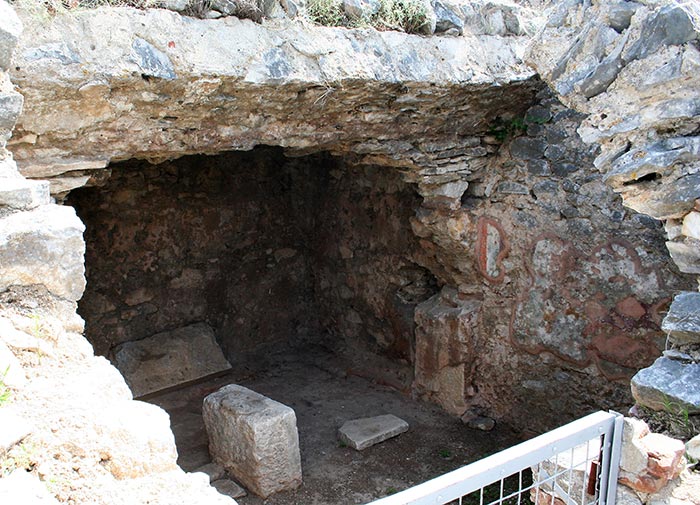
Paul’s second missionary journey brought him to Philippi, where he encountered diverse individuals in need of the gospel. Among them was a Roman jailor whose transformation became a clear, compelling example of biblical conversion. This passage contains more than historical narrative—it reveals principles that still speak to every believer today. These lessons are especially vital for Christians as we reflect on the cost of discipleship and the evidence of genuine faith.
The story unfolds with Paul and Silas faithfully preaching the gospel, facing unjust imprisonment, and yet responding with praise and trust in God. From the disruption of a slave girl’s spirit to the miraculous earthquake that opened prison doors, God’s hand is seen directing events toward a powerful moment of salvation. In a time of darkness and despair, the jailor asked the most important question any person can ask: “What must I do to be saved?” (Acts 16:30).
This account is not just about a man who changed his destiny in one night. It is about the power of the gospel to convict, transform, and mobilize. It shows the gospel at work through trial, through testimony, and through truth. It reminds us that the call to Christ demands more than a confession—it demands a life surrendered and changed. Let us look closely at each stage of this story and ask how it might still shape our walk with Christ today.
We Must Practice What We Preach
As Paul preached in Philippi, a slave girl possessed with a spirit of divination followed him, shouting, “These men are bond-servants of the Most High God, who are proclaiming to you a way of salvation” (Acts 16:17, NASB). Though her words were technically accurate, her spirit was not. Paul was greatly annoyed and cast the spirit out (v. 18). This response highlights a vital truth: not everyone who speaks spiritual language is spiritually sound.
Psalm 50:16 warns, “But to the wicked God says, ‘What right do you have to tell of My statutes and to take My covenant in your mouth?’” It is not enough to speak truth; we must embody it. Paul emphasized this when he instructed Timothy, “Entrust these things to faithful people who will be able to teach others also” (2 Timothy 2:2). Our lives must not contradict our message. When our character falls short, it tarnishes the message of the gospel.
We Must Preach the Truth—Even When It Costs Us
Paul and Silas faced severe consequences for casting out the spirit. They were arrested, beaten without trial, and thrown into prison (Acts 16:19–24). This reminds us that standing for truth often invites persecution. Christians may be misrepresented, criticized, and falsely accused, but none of that negates our duty to preach.
Jesus said, “Blessed are those who have been persecuted for the sake of righteousness, for theirs is the kingdom of heaven” (Matthew 5:10). The apostles didn’t seek trouble, but they didn’t avoid truth to stay safe. Neither should we. The cost of silence is higher than the cost of suffering.
We Must Praise in the Dark
Though Paul and Silas were suffering physically, they responded spiritually: “About midnight Paul and Silas were praying and singing hymns of praise to God, and the prisoners were listening to them” (Acts 16:25). Their joy did not depend on comfort—it flowed from their faith.
James encourages this mindset: “Is anyone among you suffering? Then he must pray. Is anyone cheerful? He is to sing praises” (James 5:13). And Jesus promised, “I came so that they would have life, and have it abundantly” (John 10:10). Their praise turned prison into a place of testimony. The other prisoners heard it. We never know who is listening when we choose to praise through pain.
We Must Be Ready to Reach the Lost
When an earthquake shook the prison, the jailor, thinking the prisoners had escaped, was about to take his own life. But Paul cried out, “Do not harm yourself, for we are all here!” (Acts 16:28). The jailor, trembling, asked, “Sirs, what must I do to be saved?” (v. 30).
This man, a hardened Roman jailor, seemed an unlikely candidate for conversion. Yet in his moment of crisis, he turned to the truth. Paul and Silas did not miss the opportunity. We must never presume who will or won’t respond to the gospel. We are called to teach diligently, knowing that many are more honest and open than they first appear.
We Must Obey the Whole Gospel—Not Just Believe
Paul and Silas answered the jailor, “Believe in the Lord Jesus, and you will be saved, you and your household” (Acts 16:31). But belief was only the beginning. Verse 32 says they “spoke the word of God to him.” The jailor listened, believed, and responded. Then, “he was baptized immediately, he and all his household” (v. 33).
This pattern matches Acts 22:16, where Paul recounts his own conversion: “Now why do you delay? Get up and be baptized, and wash away your sins by calling on His name.” Biblical belief leads to obedience. Faith without action is incomplete. Conversion includes hearing, believing, repenting, confessing, and being baptized for the remission of sins.
We Must Show Repentance by Changed Behavior
The jailor immediately tended to Paul and Silas, washing their wounds and feeding them (Acts 16:33–34). This was the same man who had previously locked them in stocks. His heart had changed, and his actions followed.
Jesus said, “Produce fruit in keeping with repentance” (Matthew 3:8). Genuine conversion brings real change. True repentance is not just sorrow—it is a transformation of life. When the gospel takes root in the heart, it bears visible fruit.
We Must Get to Work for Christ
Paul would later write to the Philippian church, “I thank my God in all my remembrance of you… for your participation in the gospel from the first day until now” (Philippians 1:3–5). It’s likely the jailor was among those who got involved from the very beginning.
Conversion is not the end—it is the beginning of service. When we rise from the waters of baptism, we rise to walk in newness of life (Romans 6:4). That includes active, engaged labor in the kingdom. We were saved to serve.
Conclusion: A Pattern Worth Following
The jailor’s conversion wasn’t emotional or vague—it was scriptural and specific. He heard the truth, believed in Christ, repented of sin, was baptized, and then put his faith into action. His life was forever changed, and his example continues to teach us today.
This story challenges us to examine our own response to the gospel. Are we living with urgency? Are we bearing fruit? Are we working for the Lord who saved us? Does our redemptive story follow the same pattern of hearing, believing, repenting, being baptized, and living a transformed life? If not, let’s make it right. Today is not too late to obey the same gospel and walk the same path. May we, like the jailor, respond fully and faithfully to the gospel—and then rise up ready to serve.




 The Simple Gospel