God calls each of us to follow a clearly marked path. This isn’t a route of convenience or personal preference; it’s a path defined by obedience and trust in His will. As Jesus taught, “I am the way, and the truth, and the life; no one comes to the Father but through Me” (John 14:6, NASB). God’s instructions leave no room for shortcuts or alternative routes. Following His commands is the only way to remain on the journey He has laid out, as all attempts to bypass His path lead to failure and frustration.
No Shortcuts in Life or Faith
Life teaches us that true achievements require diligence and perseverance. The great accomplishments in science, medicine, and exploration didn’t come from shortcuts but from sustained effort and patience. Similarly, God’s path to salvation has always involved a complete commitment, not an easy or shortcut route. The Bible emphasizes that Israel had to follow God’s instructions to escape bondage in Egypt, and there was no simple, fast way to the Promised Land. Today, people who seek quick fixes and easy answers in matters of faith miss the transformative journey that God intends.
God’s Long Journey for Salvation
The history of God’s work with humanity demonstrates that His plans unfold over time and are not rushed. It took forty centuries to develop and bring about the full plan of salvation, culminating in the death and resurrection of Jesus. The same is true of many other instructions in Scripture:
Noah took years to build the ark, following God’s precise commands to ensure safety for his family (Genesis 6).
Miriam’s healing required time and obedience, as she was commanded to be shut out of the camp for seven days (Numbers 12:15).
Saul was instructed to completely destroy the Amalekites, a task that left no room for taking “the best” as spoils of war, emphasizing obedience over personal judgment (1 Samuel 15:3).
These examples reinforce that God does not permit shortcuts in His divine instructions, and each act of obedience plays a part in His greater plan.
The Church of Christ: God’s Way to Heaven
Jesus established the Church, teaching that it is the body through which believers connect with Him. In Matthew 16:18, Jesus declares, “Upon this rock I will build My church,” illustrating that His church is built upon the foundation of truth and His sacrifice. Many attempt to customize or create their own paths to God, but only one way has been consecrated by His blood. As Acts 20:28 says, “Be on guard for yourselves and for all the flock… to shepherd the church of God which He purchased with His own blood.”
Obedience in Baptism
In His command to “go and make disciples of all the nations, baptizing them in the name of the Father and the Son and the Holy Spirit” (Matthew 28:19, NASB), Jesus made clear that baptism is not optional but essential. Yet, some seek to bypass this, claiming it is “non-essential.” Jesus Himself said, “He who has believed and has been baptized shall be saved” (Mark 16:16). No shortcuts will suffice here; baptism is a command for all who desire to enter the kingdom of God.
Following the Whole Path
Jesus stressed that true faith is more than verbal profession; it’s demonstrated in full obedience. Many churches promote ideas like “faith only” or invite people to simply “sign a card” or “join the church of your choice” as a means of salvation. However, God’s way is specific and not subject to change. As Matthew 7:21 reminds us, “Not everyone who says to Me, ‘Lord, Lord,’ will enter the kingdom of heaven, but he who does the will of My Father who is in heaven will enter.” Entering the kingdom requires adherence to every aspect of God’s teachings, including repentance, confession, baptism, and faithful living.
Conclusion: No Other Way
There is no alternative path to God’s kingdom. The only route is “the way of Christ’s blood.” Without obedience to Christ’s commands, including baptism, the gift of His sacrifice cannot benefit us. This message, though straightforward, is crucial: salvation requires us to follow the instructions of our Lord. Just as He shed His blood for our salvation, we must respond in faith and obedience. There is but one way—through Christ, by following His commands in full.
In Deuteronomy 10:12-13, we encounter one of the most profound teachings in the Old Testament—a passage that gathers divine wisdom, truth, and beauty into a single, powerful statement. These verses, like a spiritual lens, focus multiple beams of truth into a clear path of what it means to serve God sincerely and completely. This passage, much like a precious gem, holds an unparalleled value, radiating with a beauty that could easily stand beside any of the sayings of Jesus in its simplicity and depth.
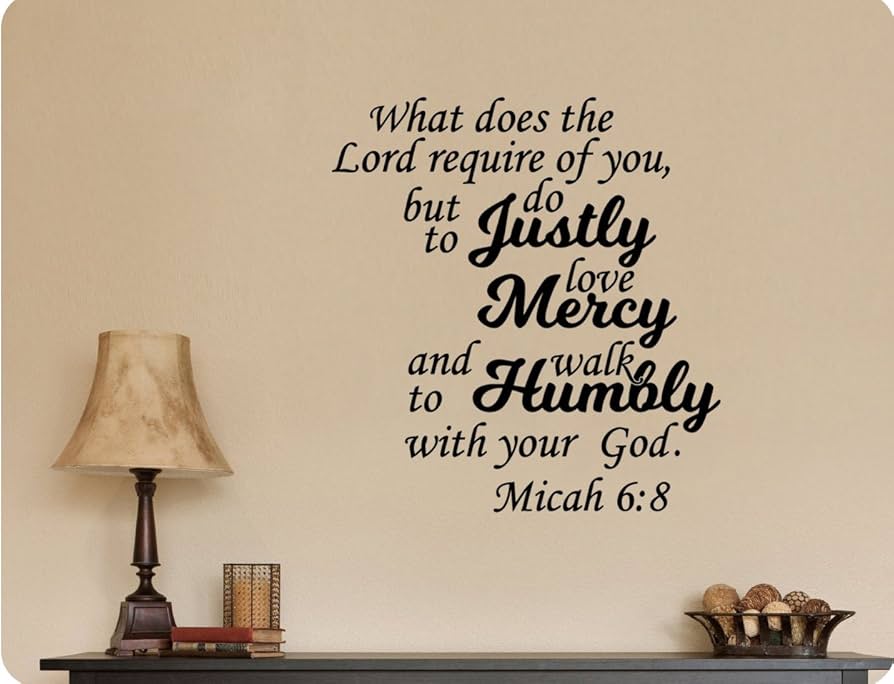
Micah echoes this command with clarity: “He has told you, O man, what is good; and what does the Lord require of you but to do justice, to love kindness, and to walk humbly with your God?” (Micah 6:8, NASB). These requirements—justice, kindness, humility—reveal a life pleasing to God, a life not just outwardly pious but deeply aligned with His will.
God’s Requirement is a Statutory Law
God’s command to Israel is not a suggestion or a temporary guideline; it is a statutory law found in His holy Word. We might initially feel overwhelmed by the call to live in such a way. The command may seem “so vast, so stupendous,” and yet, it is God’s design for how we, His people, should live. The challenge is made clear, but it comes with God’s guidance and His help, making it accessible for those who truly seek to walk with Him.
Analyzing God’s Requirements
1. Israel’s Unique Calling
God’s words in Deuteronomy are specifically addressed to Israel, His chosen people, whom He brought out of Egypt and established as a holy nation. “And now, Israel, what does the Lord your God require from you…?” (Deut. 10:12, NASB). This calling extended to Israel then, but through Christ, it now extends to all who follow Him. This personal, direct relationship is foundational in God’s dealings with His people.
2. The Requirement of Personal Commitment
The command is not vague; it is deeply personal: “What does the Lord require of you?” God’s requirements are not just for the nation as a whole or an abstract principle; they are for each individual. We are each called to respond to Him directly, without passing off responsibility to others.
3. Immediate and Reverent Fear of the Lord
“To fear the Lord your God” (Deut. 10:12) speaks of a profound reverence and awe that we should have toward our Creator. This fear is not terror but a deep respect and honor, recognizing God’s majesty and authority. As Proverbs 1:7 states, “The fear of the Lord is the beginning of knowledge.” We are called to revere God with all that we are, acknowledging that He is sovereign and holy.
4. Walking in His Ways
God requires us to “walk in all His ways” (Deut. 10:12). This means living according to His commands, embodying His truth in every aspect of our lives. It’s a holistic commitment that affects our thoughts, actions, and relationships. We do not choose only the ways that suit us; we are to follow all His ways, aligning our entire lives with His will. Jesus reminds us of this in John 14:15, “If you love Me, you will keep My commandments.”
5. Love the Lord Your God
This command extends beyond actions to our very hearts. “And to love Him…” (Deut. 10:12). Loving God is central to all that we do, reflecting a relationship that goes beyond duty into devotion. First John 4:19 explains, “We love, because He first loved us.” Our love for God is a response to His immense love for us, a love that calls for our total allegiance and affection.
6. Serve the Lord with All Your Heart and Soul
The requirement to “serve the Lord your God with all your heart and with all your soul” (Deut. 10:12) is a complete surrender of our will, placing all we have and all we are in service to God. True service to God is wholehearted, not half-hearted. It involves our energy, talents, resources, and even our ambitions. Jesus emphasized this commitment in Matthew 22:37, saying, “You shall love the Lord your God with all your heart, and with all your soul, and with all your mind.”
7. Keeping His Commandments for Our Good
Lastly, God calls us to “keep the Lord’s commandments and His statutes” (Deut. 10:13). Obedience is not an option; it is a requirement for all who follow Him. However, God’s commandments are not burdensome (1 John 5:3); rather, they are given for our good. His laws guide us to a life that is full, righteous, and aligned with His perfect will. Obedience brings blessings, shaping us to become more like Christ.
Honoring the Name of the Lord
Part of respecting God includes honoring His name. In the third commandment, Exodus 20:7 instructs, “You shall not take the name of the Lord your God in vain, for the Lord will not leave him unpunished who takes His name in vain.” This command emphasizes reverence, warning us against using God’s name carelessly or disrespectfully. To honor His name is to acknowledge its holiness and authority, treating it with the highest regard.
In today’s world, it’s easy to fall into the habit of using euphemisms—milder or indirect expressions—that still disrespect the sacredness of God’s name. Terms like “golly,” “gosh,” “gee,” and “jeez” are derived from “God” and “Jesus,” and while they may seem harmless, they can lessen the reverence we hold for His name. Other phrases, such as “for heaven’s sake,” “for goodness’ sake,” or “goodness gracious,” are often used as casual expressions of frustration or surprise but originally referenced divine attributes and names.
Thoughtlessly using these phrases diminishes the respect we are called to show for God. Instead of using His name or euphemistic alternatives in everyday expressions, we can choose language that reflects the honor and reverence due to Him. With over 400,000 words in the English language, we have many ways to express ourselves without unintentionally disrespecting the name of the Lord.
In honoring God’s name, we demonstrate our love and reverence for Him. By choosing our words thoughtfully, we set ourselves apart, recognizing that as His followers, we carry His name and represent Him in the world.
Conclusion: What Does This Mean for Us?
“What does the Lord require of you?” This is not just a question for Israel but for every believer today. God’s requirements are clear—reverence, love, obedience, and whole-hearted devotion. In meeting these requirements, we discover a life of true joy and purpose, grounded in a relationship with our Creator. This call is not to a burdensome task but to a life aligned with His will, leading us to a deeper understanding of who He is and who we are meant to be in Him.
Let us remember that the heart of what God requires is not just obedience but a life transformed by His love and grace. As we strive to live by these principles, may we honor Him with all that we are and all that we do.
The Bible speaks repeatedly about the certainty of a final judgment, where all humanity will stand before the Lord. Revelation 6:12-17 paints a vivid and fearful picture of this day when the wrath of the Lamb will be revealed, and the question is asked: “Who is able to stand?” This question should give us pause. It reminds us that not everyone will be able to stand before God with confidence on that day, but those who follow His will and live righteously will.
Let us consider who will and will not be able to stand on the day of judgment, according to Scripture.
All Will Be Judged
First, we must understand that everyone will be present at the judgment, whether righteous or unrighteous. Acts 17:30-31 (NASB) says, “Therefore having overlooked the times of ignorance, God is now declaring to men that all people everywhere should repent, because He has fixed a day in which He will judge the world in righteousness through a Man whom He has appointed, having furnished proof to all men by raising Him from the dead.”
No one will escape this moment. As Paul wrote in 2 Corinthians 5:10 (NASB), “For we must all appear before the judgment seat of Christ, so that each one may be recompensed for his deeds in the body, according to what he has done, whether good or bad.” Whether we acknowledge it or not, judgment day is coming, and all will be called to give an account.
The Ungodly Will Not Stand
Psalm 1:5 (NASB) declares, “Therefore the wicked will not stand in the judgment, nor sinners in the assembly of the righteous.” This solemn truth makes it clear that those who live in defiance of God’s commands will not endure the judgment.
1. Those Who Never Obeyed
Jesus emphasized the importance of belief and obedience in several places. In John 8:24 (NASB), He says, “Therefore I said to you that you will die in your sins; for unless you believe that I am He, you will die in your sins.” Faith is essential, but it must be coupled with obedience. Merely acknowledging God’s existence is insufficient. Even the demons believe, but they do not obey (James 2:19). Jesus also warned that some follow false teachings or man-made traditions instead of God’s commandments. In Matthew 15:9 (NASB), He says, “But in vain do they worship Me, teaching as doctrines the precepts of men.”
2. The Unfaithful
Those who once followed God but turned back to sinful living will not stand in the judgment. Galatians 5:19-21 (NASB) outlines the deeds of the flesh, warning that “those who practice such things will not inherit the kingdom of God.” Those who are grossly immoral, or even those who abandon their commitment to Christ, jeopardize their standing before God. Romans 6:12 (NASB) exhorts, “Therefore do not let sin reign in your mortal body so that you obey its lusts.”
3. The Foolish
In the parable of the wise and foolish virgins, Jesus warns about being spiritually unprepared. Matthew 25:1-3 tells of five foolish virgins who were not ready when the bridegroom came. This teaches us the importance of vigilance and preparedness for the day of judgment. James 4:17 (NASB) also admonishes, “Therefore, to one who knows the right thing to do and does not do it, to him it is sin.”
4. Inactive Members
Another group that will not stand are those who are spiritually inactive. The Bible calls on all Christians to live active, fruitful lives of faith. Merely attending church without serving, loving, and obeying will not be enough. As Jesus said in Matthew 7:21 (NASB), “Not everyone who says to Me, ‘Lord, Lord,’ will enter the kingdom of heaven, but he who does the will of My Father who is in heaven will enter.” Our faith must be evidenced by our actions, and spiritual inactivity is dangerous.
Who Will Be Able to Stand?
While the Bible clearly teaches that the ungodly will not stand, it also provides hope. Psalm 1:6 (NASB) says, “For the Lord knows the way of the righteous, but the way of the wicked will perish.” It is the righteous, those who live according to God’s will, who will stand in the judgment.
1. The Righteous
1 John 3:7 (NASB) says, “Little children, make sure no one deceives you; the one who practices righteousness is righteous, just as He is righteous.” Righteousness is not just about avoiding evil but actively pursuing what is good and godly. Romans 1:17 (NASB) further emphasizes this, “For in it the righteousness of God is revealed from faith to faith; as it is written, ‘But the righteous man shall live by faith.’” Those who live by faith, guided by the word of God, will stand before the Lord on that day.
2. Those Who Obey
Acts 10:34-35 (NASB) reminds us, “I most certainly understand now that God is not one to show partiality, but in every nation the man who fears Him and does what is right is welcome to Him.” Obedience to God’s commands, paired with faith in Jesus, is essential to standing before God.
3. The Blessed
Finally, Revelation 22:14 (NASB) offers a beautiful promise to those who live faithfully: “Blessed are those who wash their robes, so that they may have the right to the tree of life, and may enter by the gates into the city.” The righteous—those who continually seek purity and follow the teachings of Christ—are promised eternal life and a place in God’s kingdom.
Conclusion
The question, “Who shall be able to stand?” should provoke deep reflection in all of us. The Bible provides clear answers: the ungodly will not stand, but the righteous will. We are all called to live in a way that honors God, combining faith with obedience and demonstrating our love for Him through our actions.
On the day of judgment, those who have lived in accordance with His will—faithful, active, and obedient—will stand. As Revelation 22:14 promises, they will be blessed and enter into eternal life. The time to prepare for that day is now. Live faithfully, serve wholeheartedly, and follow the Lord in everything, so that when the time comes, you will be able to stand before Him.
The concept of “faith” appears extensively throughout the New Testament, mentioned 229 times in total. Faith is a cornerstone of the Christian walk, yet there is one form of the word that stands out and is used sparingly—“O you of little faith.” This phrase, used by Jesus only five times, was spoken in specific circumstances that provide important lessons for us today. These instances show us what it means to have “little faith” and how it impacts our daily lives. In this article, we will explore these lessons and examine how we can grow our faith to overcome worry, fear, and doubt.
Understanding Worry and Faith
Worry is one of the primary symptoms of little faith. Jesus addressed this in the Sermon on the Mount, where He said, “Do not be worried about your life, as to what you will eat or what you will drink; nor for your body, as to what you will put on. Is not life more than food, and the body more than clothing?” (Matthew 6:25, NASB). Here, Jesus highlights the tendency of people to worry about material things, urging them instead to trust in God’s provision.
Jesus teaches that worry stems from a lack of trust in God’s care. When our faith is strong, we know that God will meet our needs. In Matthew 6:30 (NASB), Jesus says, “But if God so clothes the grass of the field, which is alive today and tomorrow is thrown into the furnace, will He not much more clothe you? You of little faith!” Worry, then, is not just an emotional reaction—it is a symptom of a deeper spiritual issue, a lack of faith in God’s promises.
Faith is the antidote to worry. Jesus does not suggest that life will be free from challenges, but He emphasizes that God’s children should trust Him in all circumstances. As Paul expressed in Philippians 4:11 (NASB), “I have learned to be content in whatever circumstances I am.” Contentment comes from a faith that is mature and experienced, one that trusts God’s provision no matter what challenges arise.
Fear: The Enemy of Progress
Fear is another sign of little faith. Jesus frequently admonished His disciples not to fear, even in dangerous or uncertain situations. Fear paralyzes, preventing us from acting on God’s promises or stepping out in faith. Jesus rebuked His disciples in the midst of a storm, saying, “Why are you afraid, you men of little faith?” (Matthew 8:26, NASB). Their fear in the face of the storm revealed their inability to trust Jesus completely.
Fear can also keep us from fully committing to God. It prevents people from becoming Christians or from serving in the church. In the book of Job, we see how fear can even bring about the very thing we dread. Job 3:25 (NASB) says, “For what I fear comes upon me, and what I dread befalls me.” Faith, however, is the remedy for fear. Jesus said in John 6:37 (NASB), “All that the Father gives Me will come to Me, and the one who comes to Me I will certainly not cast out.” There is no place for fear when we are securely in the hands of God.
The Bible also teaches that fear can lead to sin. In Revelation 21:8 (NASB), it is written, “But for the cowardly and unbelieving… their part will be in the lake that burns with fire and brimstone, which is the second death.” Fear is often associated with a lack of trust in God, leading to disobedience and doubt. The remedy for fear is not found in human wisdom but in turning our worries and anxieties over to God, as Paul instructs in Romans 8:31 (NASB), “If God is for us, who is against us?”
Doubt: A Result of Little Faith
Doubt is closely linked to little faith. In Matthew 14:31 (NASB), after Peter began to sink while walking on water, Jesus said, “You of little faith, why did you doubt?” Doubt arises when we lose focus on Jesus and allow our circumstances to overshadow our trust in Him. Like Peter, when we take our eyes off Jesus and focus on the storm around us, doubt creeps in, weakening our faith.
The New Testament also connects doubt to a lack of understanding of God’s Word. In Romans 10:17 (NASB), Paul writes, “So faith comes from hearing, and hearing by the word of Christ.” A failure to study and internalize God’s Word leads to doubt because our faith is not being nurtured by the truth of Scripture.
Jesus rebukes the use of human reasoning when it contradicts faith. In Matthew 16:6-12, Jesus warned His disciples about the false reasoning of the Pharisees, showing that they relied more on their traditions and flawed logic than on the truth of God. Faith is not about reasoning through human understanding but trusting in what God has revealed.
Freedom from Worry, Fear, and Doubt
The solution to overcoming worry, fear, and doubt is an active, living faith. Jesus encourages us to cast all our anxieties on Him, trusting in His care and provision. In 1 Peter 5:7 (NASB), it says, “Casting all your anxiety on Him, because He cares for you.” As Christians, we are called to place our burdens on the Lord, for He is able to sustain us.
Paul reminds us that all things work together for good to those who love God. Romans 8:28 (NASB) assures us, “And we know that God causes all things to work together for good to those who love God, to those who are called according to His purpose.” Even when we face challenges, God uses them to strengthen our faith and draw us closer to Him.
Conclusion: Building Strong Faith
Worry, fear, doubt, and a lack of faith are all interconnected, forming a vicious cycle that prevents us from fully trusting in God. To break free from this cycle, we must continually build our faith by focusing on Christ and His promises. Hebrews 12:2 (NASB) urges us to keep our eyes fixed on Jesus, “the author and perfecter of faith.”
If we want to live joyful, contented Christian lives, we must strengthen our faith through prayer, Bible study, and reliance on the Holy Spirit. Jesus calls us to trust Him in all things, knowing that faith is the key to overcoming the challenges and uncertainties of life. Let us not be people of “little faith” but instead grow in our trust in God, living lives marked by confidence in His care, provision, and ultimate plan for our lives.
It is common today to hear religious leaders referred to by titles such as “Reverend,” “Doctor,” “Rabbi,” “Father,” or even “Pastor.” But does the Bible authorize such titles for preachers? Ask your preacher!
In the Bible, we don’t see the apostles or early Christians using these titles. Do we read of “Rev. Peter” or “Dr. Paul”? What about “Father James” or “Rabbi John”? These titles, commonly used today, were never applied to the leaders of the early church in scripture. Instead, they embraced humility, recognizing that glory and honor belong to God alone.
The term “pastor” is often used today as a title for preachers, but in the New Testament, the term is used specifically for elders or shepherds who care for the local church. In Acts 20:28 (NASB), Paul addresses the elders, saying, “Be on guard for yourselves and for all the flock, among which the Holy Spirit has made you overseers, to shepherd the church of God which He purchased with His own blood.” The word “shepherd” is translated from the same Greek word as “pastor,” indicating that pastors are the elders or shepherds of the congregation, not preachers. Ephesians 4:11 (NASB) also uses “pastors” in this context: “And He gave some as apostles, and some as prophets, and some as evangelists, and some as pastors and teachers.” Here, “pastors” are clearly distinguished from evangelists (preachers).
In Psalm 111:9 (NASB), we see the term “reverend” used, but not for any human being. The scripture says, “He has sent redemption to His people; He has ordained His covenant forever; Holy and awesome [reverend] is His name.” This verse describes God, not man, as being worthy of such a title. Why, then, would we apply a title to ourselves that is used in reference to God?
Moreover, Jesus Himself taught against the use of titles like “Rabbi” or “Father” in religious settings. In Matthew 23:8-9 (NASB), Jesus said, “But do not be called Rabbi; for One is your Teacher, and you are all brothers. Do not call anyone on earth your father; for One is your Father, He who is in heaven.” Here, Jesus makes it clear that His followers should not seek these titles of exaltation. We have only one spiritual Father—God.
If your preacher uses such titles, it might be worth asking why and where this practice is authorized in scripture. Perhaps he has overlooked these passages, or maybe he has an explanation. Either way, we are called to follow Christ’s teachings and not elevate human leaders in ways that contradict what the Bible says.
Feel free to share this question and start a conversation about the importance of humility and honor as taught in scripture.
In a world filled with human institutions, organizations, and societies, the church stands unique. Unlike any other group, the church is not a man-made creation born out of human innovation or desire for social reform. It is a divine institution, established by God Himself, with a purpose that transcends human understanding. To grasp the true significance of the church, we must first understand that it was part of God’s eternal plan from the very beginning.
From the moment sin entered the world through Adam and Eve, God began to unfold His plan of redemption. This plan was fulfilled in Jesus Christ, who came not only to save us from our sins but also to establish His church—a body of believers who would carry forth His message of salvation to the ends of the earth. Ephesians 3:10-11 (NASB) tells us, “So that the manifold wisdom of God might now be made known through the church to the rulers and the authorities in the heavenly places. This was in accordance with the eternal purpose which He carried out in Christ Jesus our Lord.” The church was never an afterthought or a temporary solution; it was always part of God’s eternal purpose.
The church serves as the visible manifestation of Christ’s presence on earth. It is through the church that God accomplishes His work of saving souls, equipping the saints, and glorifying His Son. But in today’s world, many people view the church as just another religious organization, one among many. They may see it as a place to gather on Sundays, a venue for community events, or even an outdated institution no longer relevant to modern life. Yet, when we turn to the Scriptures, we see that the church is far more than that.
The church is God’s chosen vessel for proclaiming His truth, demonstrating His love, and fulfilling His mission in the world. It is where Christ’s authority is recognized, where the Word is taught, where believers are nurtured, and where the work of salvation continues. Jesus made this clear when He said in Matthew 16:18 (NASB), “Upon this rock I will build My church; and the gates of Hades will not overpower it.” The foundation of the church is not built on human wisdom or philosophy but on the unshakable truth of Jesus Christ.
With this in mind, it is vital that we understand the purpose of the church, not from a human perspective but from God’s perspective. The following sections will explore the divine purposes for which the church was created, as revealed in Scripture. These purposes show us why the church is central to God’s plan and why it remains essential for every believer. Whether we are discussing the church’s role in glorifying Christ, offering salvation to the lost, or nurturing the faithful, it is clear that the church is indispensable in carrying out the work that God began in Christ. As we journey through the Scriptures, let us approach with open hearts, ready to rediscover the profound significance of the church in God’s eternal plan.
Christ: The Foundation of the Church
The foundation of the church begins with the incarnation of Jesus Christ. The most amazing event in all history is described in John 1:14 (NASB): “And the Word became flesh, and dwelt among us, and we saw His glory, glory as of the only begotten from the Father, full of grace and truth.” Jesus, who was with God from the beginning, took on human form to reveal the nature of God to the world. Through His life, death, and resurrection, the church was born.
The incarnation signifies God’s profound love and His willingness to reach out to humanity. Before Jesus, God’s attributes could be seen in nature, as noted in Psalm 19:1 (NASB): “The heavens are telling of the glory of God; and their expanse is declaring the work of His hands.” But it was through Jesus that God’s love, mercy, wisdom, and power were most clearly revealed to the world. His coming laid the foundation for the church, a body that would carry forth His mission of salvation.
The Church: Built on Christ the Rock
Jesus made it clear that the church would be built on a firm and unshakable foundation—Himself. In Matthew 16:18 (NASB), Jesus says, “Upon this rock I will build My church; and the gates of Hades will not overpower it.” The church was never meant to be built on human ideas or institutions, but on the authority and power of Christ alone.
The significance of the church rests in its relationship to Jesus. As Ephesians 1:22 (NASB) explains, “And He put all things in subjection under His feet, and gave Him as head over all things to the church.” Jesus is the head of the church, and it exists to glorify Him. Its mission is to lift Christ above all earthly powers and authorities, ensuring that He remains central to its teachings and purpose.
The Church: God’s Instrument for Happiness and Salvation
God has always had a deep concern for the happiness of humanity. From the creation of Eden for Adam to the provision of the Promised Land for Israel, God has worked to provide for His people’s well-being. The church, therefore, serves as the place where true happiness can be found. Psalm 1:1 (NASB) states, “How blessed is the man who does not walk in the counsel of the wicked, nor stand in the path of sinners, nor sit in the seat of scoffers!” The church offers an environment where individuals can find lasting joy, away from the world’s distractions.
However, the church’s purpose is more than just for happiness—it is also God’s instrument for saving souls. In Matthew 28:19-20 (NASB), Jesus gave His disciples a commission, saying, “Go therefore and make disciples of all the nations, baptizing them in the name of the Father and the Son and the Holy Spirit, teaching them to observe all that I commanded you.” This Great Commission is the calling of the church—to spread the gospel and bring people into a saving relationship with Jesus.
The Church: Where God Meets His People
In the Old Testament, God would meet with His people in specific places, such as the temple. Exodus 20:24 (NASB) recounts, “In every place where I cause My name to be remembered, I will come to you and bless you.” However, under the new covenant, the church is the place where God meets His people. The church is where His name is recorded and where He blesses those who come to Him.
Baptism plays a critical role in entering this relationship with God. As Jesus said in John 3:5 (NASB), “Truly, truly, I say to you, unless one is born of water and the Spirit he cannot enter into the kingdom of God.” Baptism is the means by which individuals are added to the church, as seen in Acts 2:38 (NASB): “Peter said to them, ‘Repent, and each of you be baptized in the name of Jesus Christ for the forgiveness of your sins; and you will receive the gift of the Holy Spirit.’”
The Church: God’s Divine Society
The church is not merely a human organization—it is a divine society, designed by God to save the world. Ephesians 5:25 (NASB) speaks of Christ’s love for the church, saying, “Husbands, love your wives, just as Christ also loved the church and gave Himself up for her.” The church exists because of the sacrifice of Jesus, and it is the body through which God works to accomplish His plan for salvation.
No human society or institution can replace the church in this role. As Romans 1:14-16 (NASB) explains, “I am under obligation both to Greeks and to barbarians, both to the wise and to the foolish… For I am not ashamed of the gospel, for it is the power of God for salvation to everyone who believes.” The church carries the gospel, the power of salvation, and without it, the world remains in darkness.
The Church: A Place of Perfection in Christ
Although sin has marred humanity, the church represents a place of restoration and perfection in Christ. In Christ, the church is made perfect, not through human works or merit, but through the redemptive power of Jesus. Hebrews 10:14 (NASB) says, “For by one offering He has perfected for all time those who are sanctified.” God’s work through the church is perfect, even though humans are imperfect. It is only in Christ that true perfection can be found.
The church, therefore, stands as the only true place where men and women can find hope, happiness, and salvation. It is the divine institution designed by God to carry forth His will, glorify His Son, and offer redemption to a lost world.
Conclusion: The Church’s Purpose Fulfilled in Christ
In summary, the church serves a multifaceted purpose—it glorifies Christ, provides for the happiness of mankind, serves as the place where God meets His people, and is the instrument of salvation. The Bible is clear that the church is not a human creation but a divine institution, founded on Christ, who is the rock.
As Ephesians 4:12 (NASB) puts it, “for the equipping of the saints for the work of service, to the building up of the body of Christ.” The church equips, builds, and serves in ways that no other organization can. It is through the church that God continues His work of salvation, calling people from all nations into a relationship with Him.
Let us not forget the vital role of the church, and let us strive to fulfill its purpose by living lives that glorify Christ and spread His message of hope and redemption.
In a world where opinions are often presented as facts and human traditions are mistaken for divine commands, honesty becomes a rare but essential quality for discovering spiritual truth. Honesty is the fertile soil upon which the Word of God can be planted, grow, and bear fruit. Without it, we risk distorting the Scriptures to suit our own desires or those of others.
As followers of Christ, it is vital that we approach the Bible with a heart willing to accept its teachings, no matter how they might challenge our current beliefs or practices. Many people today are deceived by promises that are not grounded in the Word of God but are instead built upon the traditions of men. These promises may be comforting, and they may even sound spiritual, but if they are not aligned with Scripture, they can lead us astray from the truth that leads to eternal life.
The importance of approaching God’s Word with integrity cannot be overstated. Jesus Himself warned against being led astray by false teachings, saying in Matthew 15:9 (NASB), “But in vain do they worship Me, teaching as doctrines the precepts of men.” The Bible calls us to be diligent seekers of truth, even when that truth is uncomfortable or requires us to make difficult changes in our lives. In John 8:31-32 (NASB), Jesus says, “If you continue in My word, then you are truly disciples of Mine; and you will know the truth, and the truth will make you free.”
With this conviction in mind, we ask you to reflect honestly on the following questions, which challenge popular beliefs in the religious world today. These questions, rooted in Scripture, require sincere reflection, not based on what we may have always heard or practiced, but based on what the Word of God actually says. These are not abstract theological discussions—they are questions that hold eternal significance for our souls. Will you approach them with an honest heart, willing to submit to the truth of God’s Word?
Is One Church As Good As Another?
In today’s world, many believe that it doesn’t matter which church you belong to as long as you believe in Christ. But is this view supported by Scripture? The Bible teaches that Jesus established only one church. Ephesians 4:4-5 (NASB) says, “There is one body and one Spirit, just as also you were called in one hope of your calling; one Lord, one faith, one baptism.” The idea that any church is as good as another ignores the fact that Jesus prayed for unity among His followers. In John 17:20-21 (NASB), Jesus prays, “I do not ask on behalf of these alone, but for those also who believe in Me through their word; that they may all be one; even as You, Father, are in Me and I in You, that they also may be in Us, so that the world may believe that You sent Me.”
Furthermore, the apostle Paul condemned division in the church, writing in 1 Corinthians 1:10 (NASB), “Now I exhort you, brethren, by the name of our Lord Jesus Christ, that you all agree and that there be no divisions among you, but that you be made complete in the same mind and in the same judgment.” When we understand that there is one church and that Jesus desires unity, how can we say that one church is as good as another?
Does It Matter What A Person Believes?
Another common belief is that it doesn’t matter what someone believes as long as they are sincere. However, the Bible says otherwise. In Matthew 7:21 (NASB), Jesus states, “Not everyone who says to Me, ‘Lord, Lord,’ will enter the kingdom of heaven, but he who does the will of My Father who is in heaven will enter.” Sincerity alone is not enough if we are not doing the will of God. Jesus also warned about following the commandments of men, saying in Matthew 15:9 (NASB), “But in vain do they worship Me, teaching as doctrines the precepts of men.”
The truth of God cannot be compromised by human opinions or traditions. As 2 John 9 (NASB) warns, “Anyone who goes too far and does not abide in the teaching of Christ, does not have God; the one who abides in the teaching, he has both the Father and the Son.” Following Christ means adhering to His teachings, and deviation from the truth leads to error. Blindly following the doctrines of men will not lead us to salvation.
Can A Person Be Saved By Faith Alone?
Many teach that salvation comes by “faith only.” But the Bible paints a different picture. James 2:24 (NASB) says, “You see that a man is justified by works and not by faith alone.” While we cannot earn our salvation through human works, the Bible teaches that true faith results in obedience to God. John 6:28-29 (NASB) shows that even belief is considered a work of God: “Therefore they said to Him, ‘What shall we do, so that we may work the works of God?’ Jesus answered and said to them, ‘This is the work of God, that you believe in Him whom He has sent.’” Faith alone is not sufficient if it does not lead to action.
Even the demons believe in God, as James 2:19 (NASB) tells us: “You believe that God is one. You do well; the demons also believe, and shudder.” Clearly, belief alone is not enough to save us if it is not accompanied by obedience to God’s commands. Jesus emphasized the importance of doing God’s will in Matthew 7:21 (NASB): “Not everyone who says to Me, ‘Lord, Lord,’ will enter the kingdom of heaven, but he who does the will of My Father who is in heaven will enter.”
Can One Be Saved Without Baptism?
Baptism is another critical element that many overlook or misunderstand. The Bible clearly teaches that baptism is necessary for salvation. Acts 2:38 (NASB) says, “Peter said to them, ‘Repent, and each of you be baptized in the name of Jesus Christ for the forgiveness of your sins; and you will receive the gift of the Holy Spirit.’” Baptism is not optional; it is a command directly tied to the remission of sins.
In Mark 16:16 (NASB), Jesus states, “He who has believed and has been baptized shall be saved; but he who has disbelieved shall be condemned.” Additionally, 1 Peter 3:21 (NASB) declares, “Corresponding to that, baptism now saves you—not the removal of dirt from the flesh, but an appeal to God for a good conscience—through the resurrection of Jesus Christ.” Baptism is the act of obedience that allows us to be united with Christ, and without it, we cannot enter the kingdom of God.
Can Infants Be Proper Subjects for Baptism?
The Bible also addresses who should be baptized. Some teach that infants should be baptized, but this contradicts Scripture. The Bible teaches that those who are baptized must believe and repent, as we see in Matthew 28:19-20 (NASB): “Go therefore and make disciples of all the nations, baptizing them in the name of the Father and the Son and the Holy Spirit, teaching them to observe all that I commanded you.” Infants cannot understand the gospel, repent of sins, or make a decision to follow Christ. Matthew 18:3 (NASB) also shows that children are pure and have no sins to repent from: “Truly I say to you, unless you are converted and become like children, you will not enter the kingdom of heaven.”
The act of baptism is reserved for those who have reached an age of understanding and who can respond to the gospel with repentance and faith. Baptism is a decision that requires maturity and personal conviction.
Conclusion: Accept and Obey God’s Word
These questions represent only a few of the many topics in which modern religious practices differ from what the Bible teaches. We are called to follow the truth, even when it contradicts human traditions. 2 Timothy 3:16-17 (NASB) tells us, “All Scripture is inspired by God and profitable for teaching, for reproof, for correction, for training in righteousness; so that the man of God may be adequate, equipped for every good work.” If we are to be followers of Christ, we must abide in His Word and not go beyond what is written.
Let us return to the simple, powerful message of the New Testament and restore the church to its original form. Do not rely on the promises of men, which often contradict Scripture. Instead, obey God’s Word with a sincere heart. In doing so, we will be walking in the truth and preparing for eternity with Him.
Tests are a part of life that everyone understands, from school exams to job evaluations. In life, whether it’s manufacturing plants or military equipment, everything goes through a rigorous testing process before it is approved. The same is true for our faith. Just as physical items are tested for strength and durability, God requires that our faith be tested as well. The Bible shows that God’s way of testing us refines and strengthens our character, faith, and commitment to His commands. The question we must ask ourselves is: Are we prepared to face the tests that God places before us
God’s Love: The Ultimate Test God Himself set the supreme example of testing through His love for us. In John 3:16 (NASB), it says, “For God so loved the world, that He gave His only begotten Son, that whoever believes in Him shall not perish, but have eternal life.” God tested His love by offering the most precious gift—His Son, Jesus Christ—as a sacrifice for our sins. When we think about this, we realize the depth of God’s love and the extent to which He was willing to go to save humanity. This was the ultimate test of love, and it sets the bar for how we are called to live sacrificially for others.
Jesus: Tested in Temptation Jesus faced His supreme test in the wilderness, where He was tempted by Satan. Matthew 4:1-11 (NASB) recounts how Jesus was tested by Satan with worldly power, material needs, and fame. But each time, Jesus resisted temptation by relying on God’s Word, saying in verse 10, “Go, Satan! For it is written, ‘You shall worship the Lord your God, and serve Him only.’” Jesus passed this test perfectly, showing us that even in the face of great temptation, God’s truth is our weapon. Jesus’ faithfulness in this test proved His readiness for His ultimate mission: the cross.
The Test of Sacrifice: Abraham’s Obedience In the Old Testament, we find an extraordinary example of testing in the life of Abraham. Genesis 22:1-12 (NASB) tells the story of Abraham’s willingness to sacrifice his son Isaac, a test that God gave to measure Abraham’s faith and obedience. Abraham didn’t hesitate to follow God’s command, even when it seemed impossible to understand. In verse 12, God says, “Do not stretch out your hand against the lad, and do nothing to him; for now I know that you fear God, since you have not withheld your son, your only son, from Me.” Abraham passed the test by showing his complete trust in God, even in the most difficult of circumstances.
The Test of Obedience: The Israelites at Jericho Another great test of faith can be seen in the story of the Israelites as they marched around the walls of Jericho. Joshua 6 (NASB) recounts how God commanded Joshua and the Israelites to march around the city for seven days, and on the seventh day, the walls would fall. Though the command might have seemed strange, the Israelites obeyed God’s instructions exactly. When they completed the task, God honored their obedience and the walls of Jericho collapsed. This test showed that true faith involves following God’s commands, even when we don’t fully understand His ways.
Gideon’s Test of Faith Gideon, one of Israel’s judges, faced a supreme test when God commanded him to reduce his army from 32,000 men to just 300 before going into battle against the Midianites. Judges 7:1-8 (NASB) tells the story of how God tested Gideon’s trust in Him, showing that victory comes from God alone, not from the size of an army. In verse 7, God declares, “I will deliver you with the 300 men who lapped and will give the Midianites into your hands.” Gideon’s faith was tested through these instructions, but he obeyed, and God brought victory to Israel.
The Test of Baptism: An Essential Command One of the supreme tests in the Christian walk is the act of baptism. Acts 2:38 (NASB) makes it clear that baptism is essential for the forgiveness of sins: “Peter said to them, ‘Repent, and each of you be baptized in the name of Jesus Christ for the forgiveness of your sins; and you will receive the gift of the Holy Spirit.’” Baptism is not merely a symbolic gesture but an act of obedience that tests our faith and submission to God’s will. In Mark 16:16 (NASB), Jesus says, “He who has believed and has been baptized shall be saved; but he who has disbelieved shall be condemned.” Despite its significance, baptism is often rejected or seen as unnecessary, yet it is a clear command from Christ that serves as a test of our willingness to follow Him.
The Test of Generosity: Giving as a Measure of Faith Another supreme test for Christians is in the area of giving. Jesus Himself tested a rich young man in Matthew 19:16-22 (NASB) when the young man asked what he must do to inherit eternal life. Jesus answered, “If you wish to be complete, go and sell your possessions and give to the poor, and you will have treasure in heaven; and come, follow Me.” Unfortunately, the young man failed the test because he was unwilling to part with his wealth. This teaches us that generosity and a willingness to sacrifice for God’s kingdom are vital tests of our faith. 2 Corinthians 9:7 (NASB) reminds us, “Each one must do just as he has purposed in his heart, not grudgingly or under compulsion, for God loves a cheerful giver.” God calls us to give freely and with joy, knowing that He loves those who do.
Will We Pass the Test? The Bible is full of stories where people’s faith was tested, and it’s clear that God tests us to refine and strengthen our character. James 1:2-4 (NASB) reminds us, “Consider it all joy, my brethren, when you encounter various trials, knowing that the testing of your faith produces endurance. And let endurance have its perfect result, so that you may be perfect and complete, lacking in nothing.” The trials and tests we face are not meant to destroy us but to build us up in our faith.
As we reflect on these examples, we must ask ourselves: Are we passing the tests that God is placing before us? Whether it’s a test of obedience, sacrifice, or generosity, God is looking for a heart that is fully devoted to Him.
Conclusion: The Final Test There will come a day when we will all stand before God and our lives will be tested. 2 Corinthians 5:10 (NASB) says, “For we must all appear before the judgment seat of Christ, so that each one may be recompensed for his deeds in the body, according to what he has done, whether good or bad.” Let us live in such a way that when we stand before God, we will hear the words, “Well done, good and faithful servant” (Matthew 25:23 NASB).
As we face the supreme tests of life, let us trust God, obey His commands, and live by faith so that we may pass the ultimate test and receive the crown of life.
One of the most sobering truths in the Bible is the certainty of a coming judgment. While life seems to go on from day to day without much thought of the end, the Bible reminds us repeatedly that we will all stand before God one day to give an account of our lives. Everything we have done, every word we have spoken, and every thought we have entertained will be measured against the perfect standard of God’s Word. This judgment will not be based on opinions, traditions, or the expectations of society. It will be based on what is written in Scripture.
We live in a world where people often justify their actions with personal feelings, cultural trends, or the idea that if God hasn’t explicitly forbidden something, it must be acceptable. But the truth is that God’s silence on certain matters is not permission. He has already provided everything we need for life and godliness through His Word. 2 Peter 1:3 (NASB) states, “His divine power has granted to us everything pertaining to life and godliness, through the true knowledge of Him who called us by His own glory and excellence.” With this knowledge comes the responsibility to live in accordance with God’s will. Anything less is dangerous ground, especially when we consider that we will be judged according to what is written.
On that day, there will be no second chances. There will be no opportunity to make up for the things we ignored or brushed aside. The final judgment will separate the faithful from the unfaithful, the obedient from the disobedient, the righteous from the unrighteous. Romans 14:12 (NASB) says, “So then each one of us will give an account of himself to God.” The question we must ask ourselves is: Are we ready for that day? Are we living according to the standard that will be used to judge us, or are we assuming that God’s mercy will overlook our neglect of His commands?
Let’s explore what the Bible says about this coming judgment and what we must do to be prepared.
We Will Be Judged by What is Written
Scripture is clear that we will stand before the judgment seat of Christ. Romans 14:10-12 (NASB) says, “For we will all stand before the judgment seat of God. So then each one of us will give an account of himself to God.” We will be judged not by human traditions or opinions but by God’s Word. John 12:48 (NASB) emphasizes this truth: “He who rejects Me and does not receive My sayings, has one who judges him; the word I spoke is what will judge him at the last day.” Are we living in accordance with what is written?
Judged on the Basis of Our Living
It’s not just our knowledge of Scripture that will be evaluated—it’s our actions. 1 Corinthians 6:9-10 (NASB) warns, “Do you not know that the unrighteous will not inherit the kingdom of God? Do not be deceived; neither fornicators, nor idolaters, nor adulterers, nor effeminate, nor homosexuals, nor thieves, nor the covetous, nor drunkards, nor revilers, nor swindlers, will inherit the kingdom of God.” If we are engaging in these sinful behaviors, we will not pass the judgment test. Our lives must reflect purity in thought, word, and deed. Titus 2:7-8 (NASB) urges us to “show yourself to be an example of good deeds, with purity in doctrine, dignified, sound in speech which is beyond reproach.”
The Sheep and the Goats: A Final Separation
On the day of judgment, there will be a separation between those who did right and those who either did wrong or did nothing. Jesus teaches this vividly in Matthew 25:31-46 (NASB), where He describes the final judgment as the division of the sheep and the goats. The sheep represent those who followed Christ’s teachings, serving others and living righteously. The goats, however, represent those who either ignored God’s commands or did nothing with their lives. Are we sheep, faithfully following Christ, or goats, passively ignoring our responsibilities?
The Weight of Personal Responsibility
We cannot afford to place the responsibility of our faithfulness on others or on institutions. Each one of us will answer for our own lives. 2 Corinthians 5:10 (NASB) reminds us, “For we must all appear before the judgment seat of Christ, so that each one may be recompensed for his deeds in the body, according to what he has done, whether good or bad.” It’s not enough to rely on church affiliation or good intentions. Are we personally living out the faith, caring for the widows and orphans as commanded in James 1:27 (NASB)? Our lives must be active examples of Christian service and obedience to God’s Word.
The Necessity of Obedience
It is not enough to merely believe. Jesus emphasized the necessity of obedience in Mark 16:16 (NASB): “He who has believed and has been baptized shall be saved; but he who has disbelieved shall be condemned.” Belief without action is incomplete. Similarly, repentance is non-negotiable. Luke 13:3 (NASB) records Jesus saying, “I tell you, no, but unless you repent, you will all likewise perish.” Have we taken these commands seriously, or are we putting off obedience?
The Urgency of Repentance
There is a pressing urgency in Scripture to repent before it is too late. Acts 2:38 (NASB) calls us to “Repent, and each of you be baptized in the name of Jesus Christ for the forgiveness of your sins; and you will receive the gift of the Holy Spirit.” If we wait until judgment day to take these commands seriously, it will be too late. The Bible is clear: 2 Corinthians 6:2 (NASB) says, “Behold, now is ‘the acceptable time,’ behold, now is ‘the day of salvation.’” We must act today, while we still have the opportunity.
Are We Ready for the Judgment?
The question we must all ask ourselves is: Are we ready for the judgment? Matthew 12:36 (NASB) warns, “But I tell you that every careless word that people speak, they shall give an accounting for it in the day of judgment.” Even the smallest of actions, thoughts, and words will be brought to light. Have we confessed Christ publicly, as commanded in Romans 10:9-10 (NASB)? If not, now is the time to make that confession and begin living in alignment with God’s Word.
Conclusion: The Book Will Stand
The New Testament will be the standard by which we are judged. We will not be able to claim ignorance or plead human tradition as an excuse. Matthew 24:35 (NASB) reminds us, “Heaven and earth will pass away, but My words will not pass away.” God’s Word will stand, and we will be measured against it. Are we living our lives in such a way that we are ready for the judgment, or are we neglecting the commands that will be brought up on that final day?
Let us prepare today. Let us live with the awareness that the judgment is coming, and we will be judged according to what is written. Are we ready to give an account?
In today’s religious landscape, many practices are justified on the grounds of silence—believing that if the Bible doesn’t explicitly forbid something, then it must be acceptable. But is that truly how God desires us to approach His Word? The Bible provides clear guidance on what is written, and we are also called to respect what isn’t written. This principle is key to understanding how we ought to serve God faithfully.
The Silence of Scripture is Not Permission
The author of Hebrews gives us a valuable example of this concept. Hebrews 7:14 (NASB) states, “For it is evident that our Lord was descended from Judah, a tribe with reference to which Moses spoke nothing concerning priests.” Notice what is emphasized: Moses didn’t say that priests couldn’t come from Judah—he simply didn’t say anything about it. This silence wasn’t permission, but rather a prohibition. Priests were to come from the tribe of Levi, and no one had the authority to add to what God had already established.
This principle should guide us today. Just as Jesus couldn’t serve as a priest while on earth because He was from the tribe of Judah, we too should refrain from adding practices or doctrines that aren’t rooted in Scripture.
Going Beyond What is Written
Paul cautions us in 1 Corinthians 4:6 (NASB) not to go “beyond what is written.” This is a key concept for Christians: where Scripture is silent, we must not presume to act. God’s Word has given us everything we need for life and godliness. 2 Peter 1:3 (NASB) reminds us, “His divine power has granted to us everything pertaining to life and godliness, through the true knowledge of Him who called us by His own glory and excellence.” If the Bible provides everything we need, then silence on certain issues isn’t an invitation to innovate but a call to exercise restraint and respect for God’s Word.
Examples of Man Adding to Worship
History has shown that mankind is often tempted to add to God’s commands. Consider a few examples that have crept into religious practice over time:
1. Washing Hands as a Religious Act
Jesus directly rebuked the Pharisees for adding traditions like washing hands as part of their religious practice. In Mark 7:7-8 (NASB), He says, “But in vain do they worship Me, teaching as doctrines the precepts of men. Neglecting the commandment of God, you hold to the tradition of men.” Their error wasn’t in the act of washing hands but in elevating it to a religious requirement, something God never commanded.
2. Burning Incense in Worship
Burning incense was a practice in the Old Testament, but it has no place in Christian worship today. Deuteronomy 12:32 (NASB) warns us, “Whatever I command you, you shall be careful to do; you shall not add to nor take away from it.” Bringing Old Testament rituals, like incense, into New Testament worship is a way of going beyond what is written.
3. Sprinkling Babies (Christening)
Baptizing infants through sprinkling, often referred to as Christening, is another example of a practice with no scriptural basis. In the New Testament, baptism was always preceded by faith and repentance. Acts 2:38 (NASB) says, “Peter said to them, ‘Repent, and each of you be baptized in the name of Jesus Christ for the forgiveness of your sins; and you will receive the gift of the Holy Spirit.’” Babies, unable to repent or believe, do not meet the biblical criteria for baptism.
4. Mechanical Instruments in Worship
God commands us to sing in the New Testament, but no authorization is given for mechanical instruments in worship. Colossians 3:16 (NASB) instructs, “Let the word of Christ richly dwell within you, with all wisdom teaching and admonishing one another with psalms and hymns and spiritual songs, singing with thankfulness in your hearts to God.” The emphasis is always on vocal worship, making melody in our hearts. Adding instruments is not a neutral choice—it goes beyond what is written.
Organizations Beyond the Local Church
Many religious organizations today function outside of the local church, such as missionary societies, orphanages, and schools. While these institutions may serve good purposes, the Bible does not authorize churches to support them financially as part of the work of the Lord. Acts 14:23 (NASB) and Philippians 1:1 (NASB) show the local congregation as the only organization specified for the work of the saints. Adding human institutions to carry out the church’s mission is stepping beyond what God has authorized.
Extended Oversight of One Eldership
The Bible specifies that elders are to oversee the local flock. 1 Peter 5:1-2 (NASB) says, “Shepherd the flock of God among you, exercising oversight not under compulsion, but voluntarily, according to the will of God.” There is no scriptural precedent for one group of elders to oversee multiple congregations, as is the case with some modern-day organizations. Expanding the authority of one eldership to include region-wide oversight is going beyond what the Bible teaches.
Conclusion: Respecting What God Has Said—and What He Hasn’t
God’s Word provides a clear foundation for how we are to live, worship, and serve Him. Deuteronomy 4:2 (NASB) warns us, “You shall not add to the word which I am commanding you, nor take away from it, that you may keep the commandments of the Lord your God which I command you.” When God is silent on a matter, we must not assume that silence is permission.
The principle is simple: we must respect what God has said, and we must also respect what He has not said. Let us be careful to avoid adding human traditions or innovations to God’s perfect Word.




 The Simple Gospel