(Revelation 2:12–17)
A Name the World Forgot, but Heaven Remembers
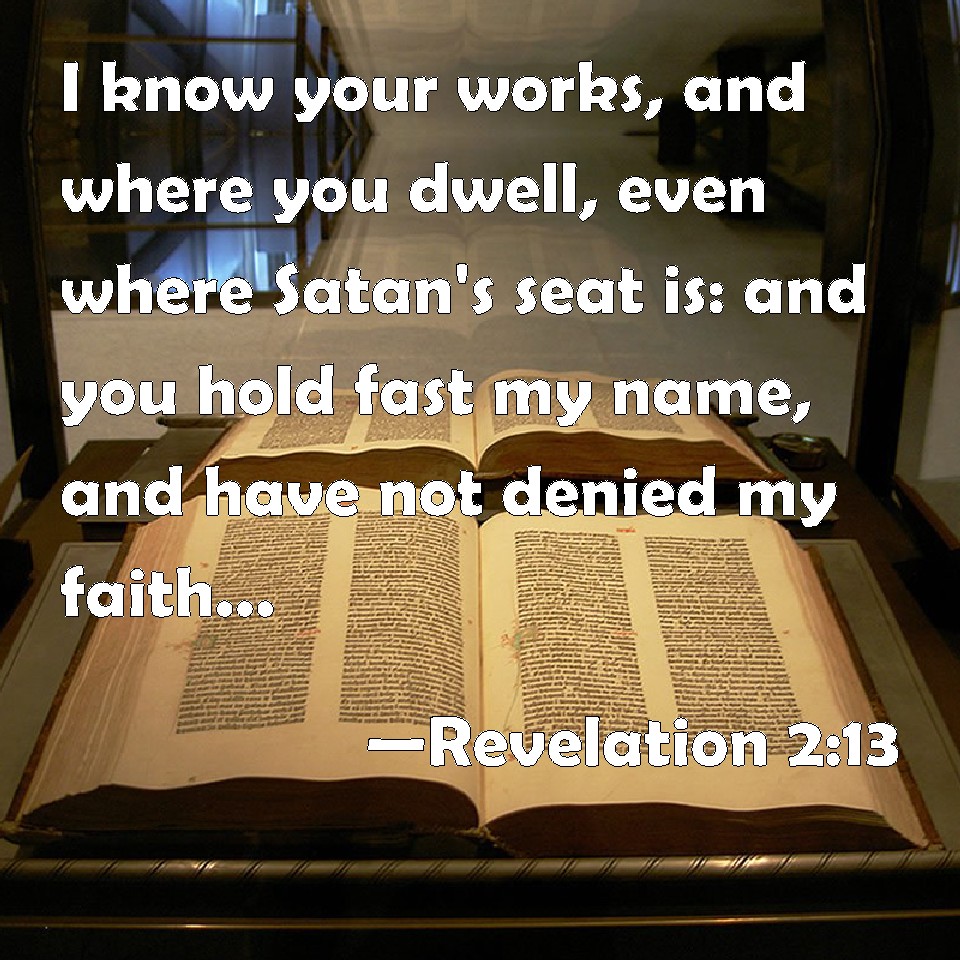
Antipas appears only once in Scripture—in Revelation 2:13, where Jesus calls him “My faithful martyr.” That brief mention may seem small, but it speaks volumes. Though we know little about him, the Lord knew everything. His faith, his courage, and his sacrifice stood out enough to be recorded in heaven’s eternal Word.
Many names have been forgotten in history, but not this one. Antipas’ story challenges us—not because of how much we know, but because of how much his example says in so few words. In a world that celebrates fame, Scripture reminds us that God honors faithfulness.
1. He Put First Things First
Jesus said, “But seek first His kingdom and His righteousness, and all these things will be provided to you” (Matthew 6:33). Antipas lived this. God’s kingdom held the highest place in his heart. He didn’t let distractions or delay interfere with what mattered most.
Antipas didn’t serve God in spare moments. He didn’t treat faith as a weekend activity or a backup plan. He placed God at the center of his decisions, and everything else followed. That’s why he stood firm even when it cost him everything.
Too many today try to fit Christianity around other pursuits. But we must not forget: the order of our priorities will shape the outcome of our lives. Antipas reminds us that only when God comes first will everything else find its rightful place.
2. He Was Not Ashamed of the Gospel
Paul wrote, “For I am not ashamed of the gospel, for it is the power of God for salvation to everyone who believes” (Romans 1:16). Antipas believed that. He wasn’t a cultural Christian—he was convicted, convinced, and courageous.
Revelation 2:13 reveals that Antipas lived “where Satan dwells.” He didn’t follow Christ in easy surroundings. The pressures were real. The opposition was fierce. Yet Antipas refused to deny his Lord.
He didn’t whisper his faith in safe spaces. He declared it openly. He held fast to “one God and Father of all” (Ephesians 4:6), even when that declaration came with a price. His loyalty was not seasonal—it was sacrificial.
3. He Followed Christ Regardless
When Jesus called people to follow Him, He said, “Follow Me, and let the dead bury their own dead” (Matthew 8:22). That wasn’t cold indifference—it was a clear call to absolute priority.
Antipas understood that. Nothing—not even death—would stop him from staying loyal to Jesus. He didn’t negotiate with fear. He didn’t retreat when things became inconvenient. He followed regardless.
The modern world offers many reasons to delay obedience. But Antipas shows us what it means to live with spiritual urgency. He put God’s kingdom first—even when it cost him his life.
4. He Loved Not the World
“Do not love the world nor the things in the world” (1 John 2:15). That wasn’t theory to Antipas—it was practice. He didn’t live with divided loyalties. He had one Master, and he served Him alone.
Jesus said, “No one can serve two masters… You cannot serve God and wealth” (Matthew 6:24). In a time and place saturated with idolatry, Antipas stayed set apart. He didn’t compromise to fit in. He lived as a light in darkness.
Faithfulness demands clarity. We cannot walk with Christ and walk with the world. Antipas reminds us that holiness may not be popular, but it will always be right.
5. He Was a Soul-Winner
Proverbs 11:30 says, “He who is wise wins souls.” Antipas didn’t just preserve his own faith—he helped others come to know the truth. Whether through teaching, example, or encouragement, he pointed people to Christ.
This is the main work of every Christian—not just preachers, but all who follow Jesus. Sharing the gospel isn’t a specialty; it’s a calling. Like Antipas, we are called to be lights in a world that desperately needs the hope of Christ.
6. He Never Neglected Worship
Antipas would not have been called “faithful” if he had been negligent. Hebrews 10:25 says, “Not abandoning our own meeting together… but encouraging one another.” Worship was not optional to Antipas—it was essential.
He showed up. He engaged. He stayed faithful to the assembly because he understood what it represented. He wasn’t casual about the Lord’s Day. He honored it.
Neglecting worship is not a small matter. It reflects deeper issues of commitment and conviction. Antipas teaches us to take worship seriously—and to be found faithful where God’s people gather.
7. He Was Owned by the Lord
Jesus called him, “My faithful martyr.” Not just a martyr. Not just faithful. But My faithful martyr. The Lord claimed him, honored him, and recognized him.
This was not fame in the world’s eyes, but it was divine recognition. Antipas belonged to the Lord, and the Lord was not ashamed to say so.
What about us? Are we living in a way that Christ would claim us? Does He own us in name only—or in truth?
Conclusion: Will He Call Me Faithful?
Antipas never wrote a book. He never preached a famous sermon. He didn’t lead a movement. But he stood for Christ when it mattered most.
And Jesus saw him.
The same Lord watches us today. In a world that forgets names quickly, He remembers those who are faithful. He owns them. He honors them.
Will we be among them? Will we be remembered—not by the world, but by heaven—as faithful?
May the Lord help us to live as those who already belong to Him—and remain faithful so that, whether in life or in death, we may be called His in the end.
 The Simple Gospel